 driveway years
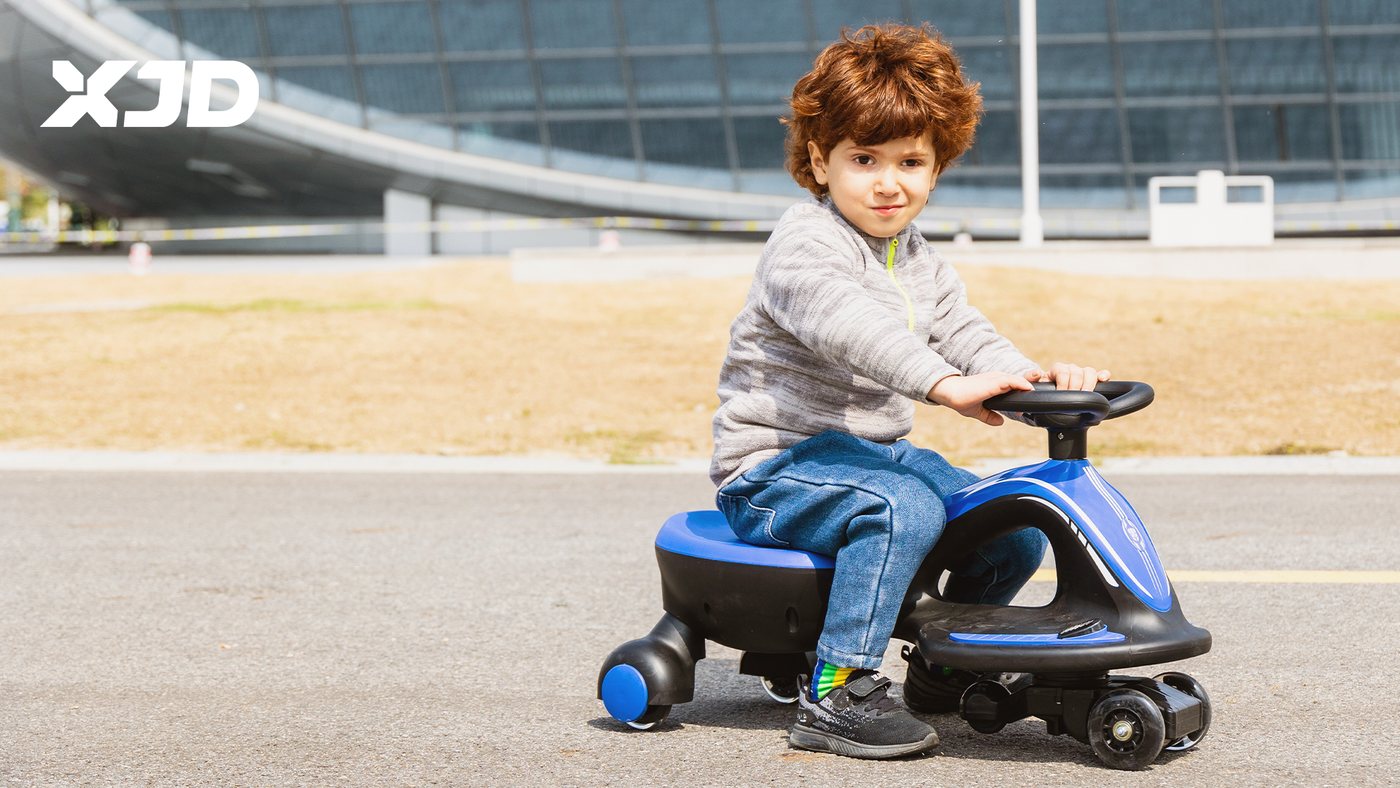
XJD powered ride-on car and go-kart
For the child who wants wheels before they are ready to push an XJD balance bike along.
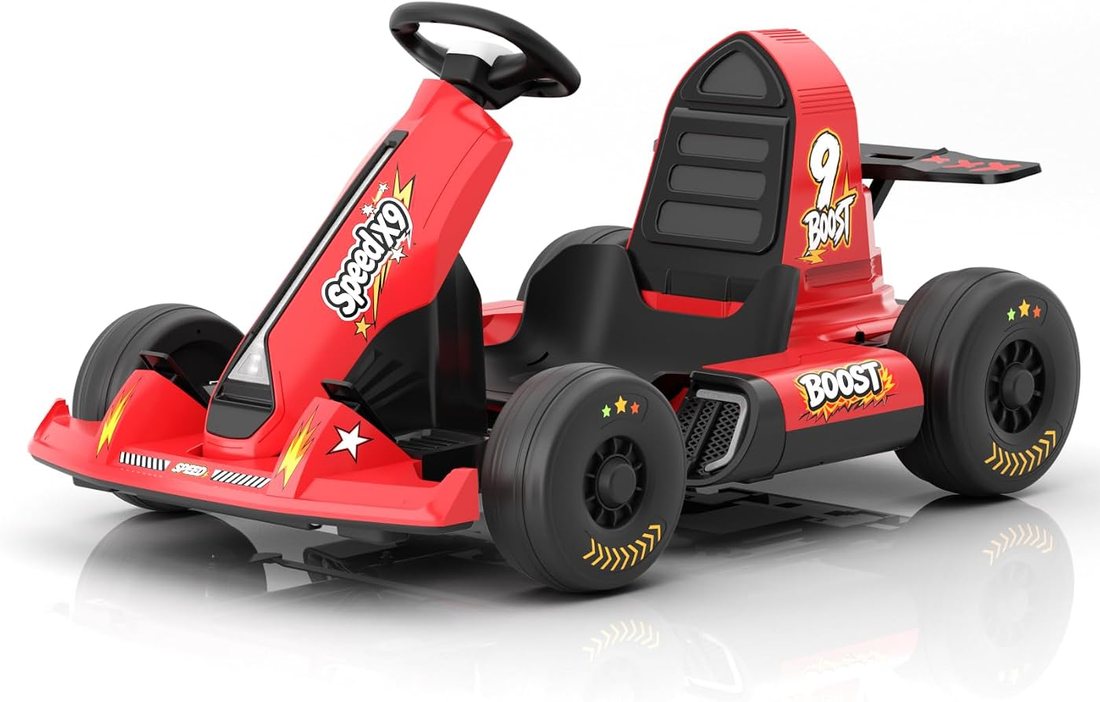
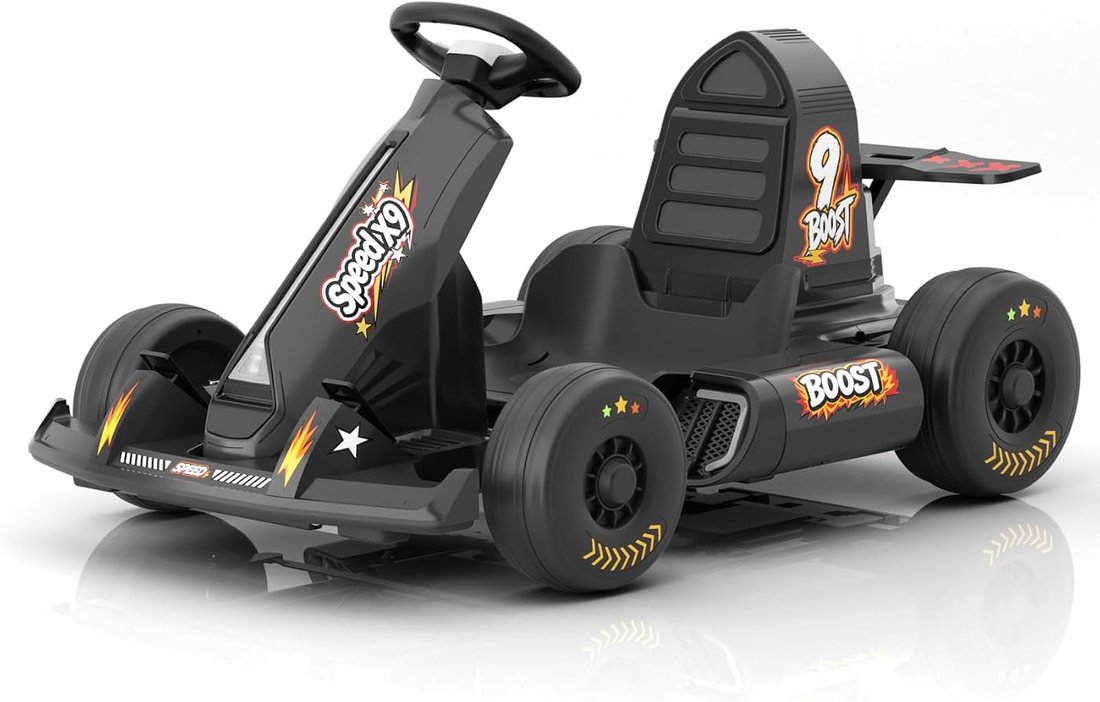
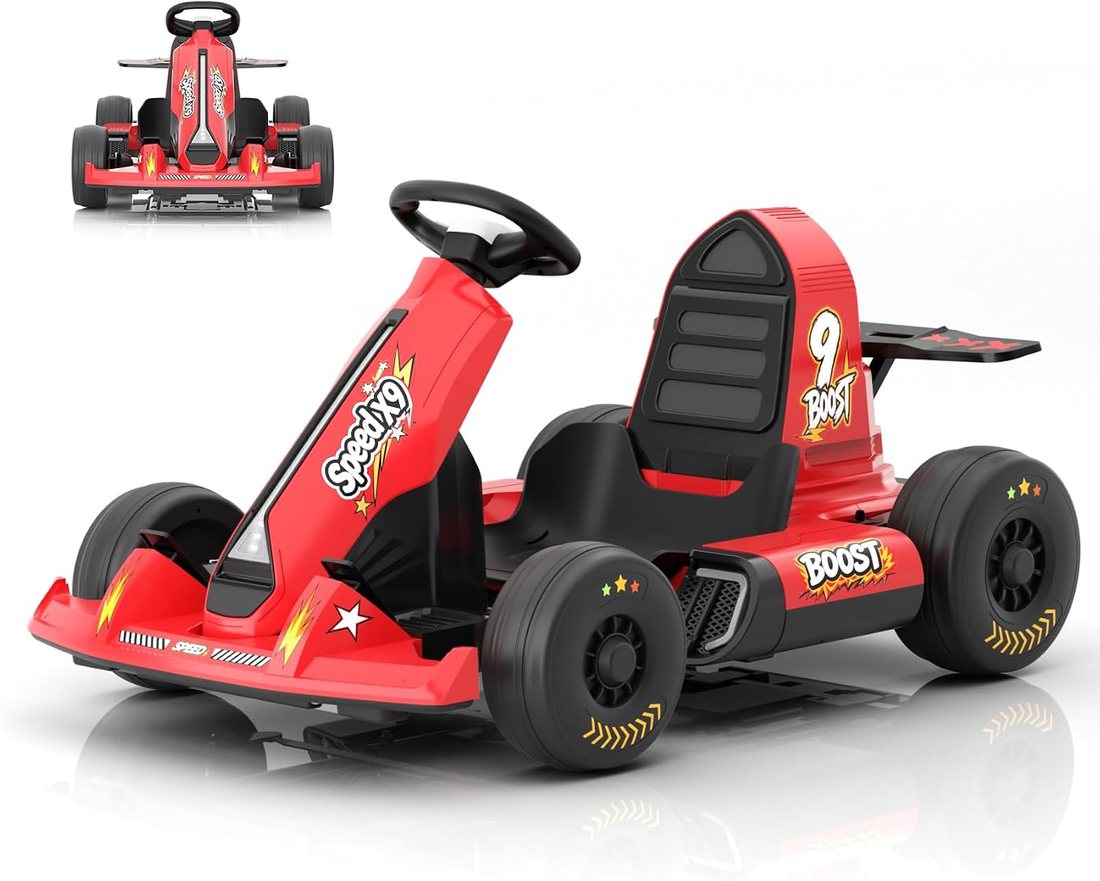
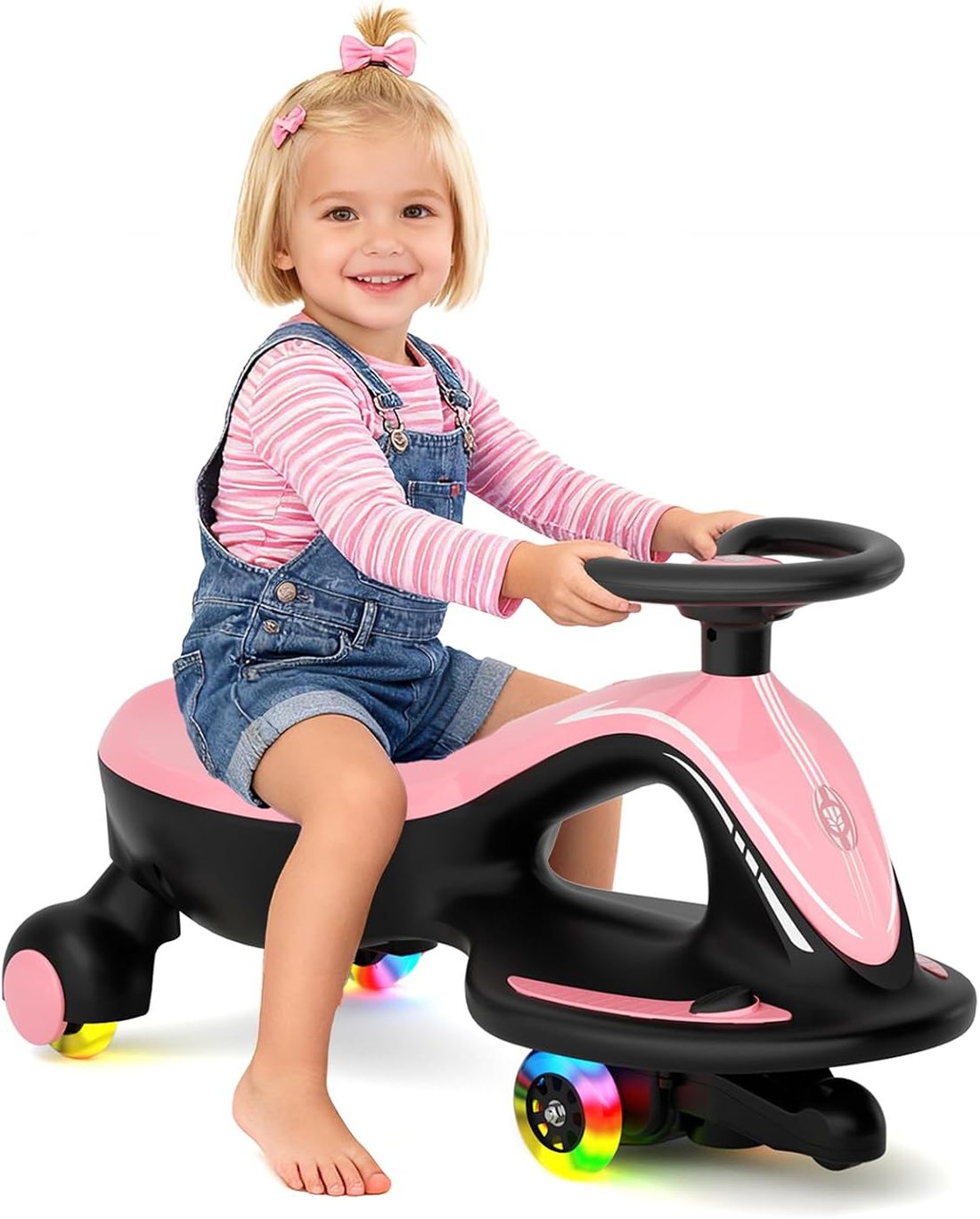
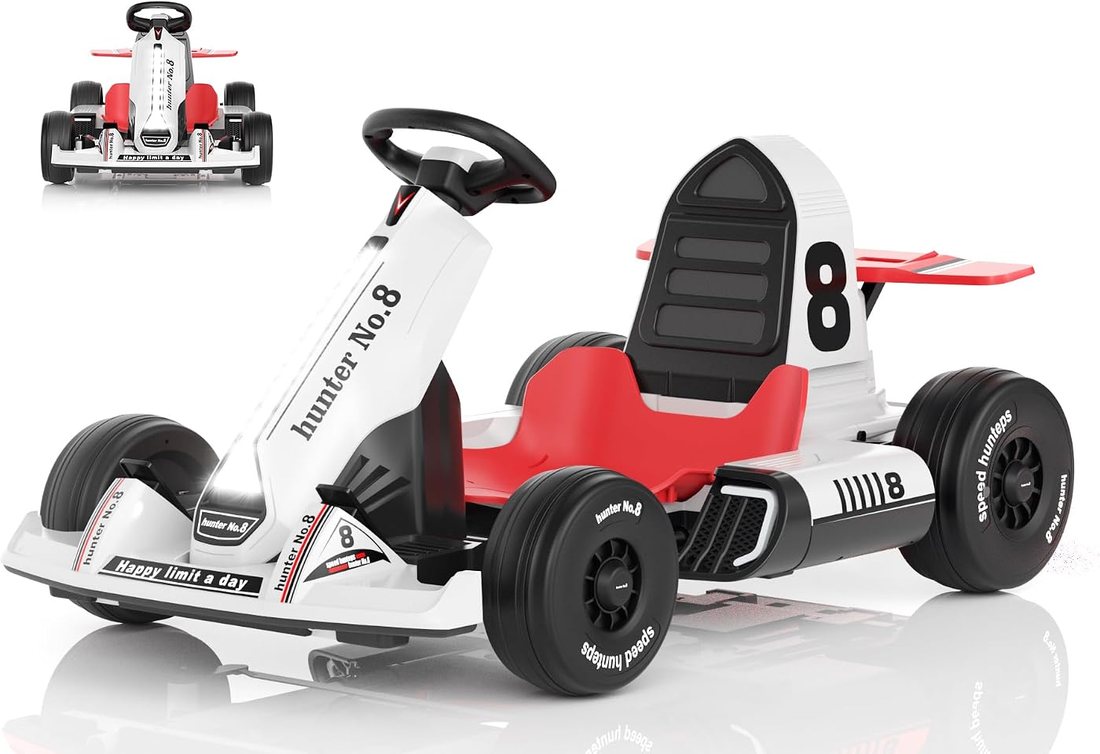
Ten models, two kinds of thing. A wiggle car at six volts, which is a seat, a steering column and a very small motor, for a two year old on a smooth floor. A go-kart at twelve volts, with a pedal, a brake, a seat that slides on rails and enough torque to climb a kerb cut.
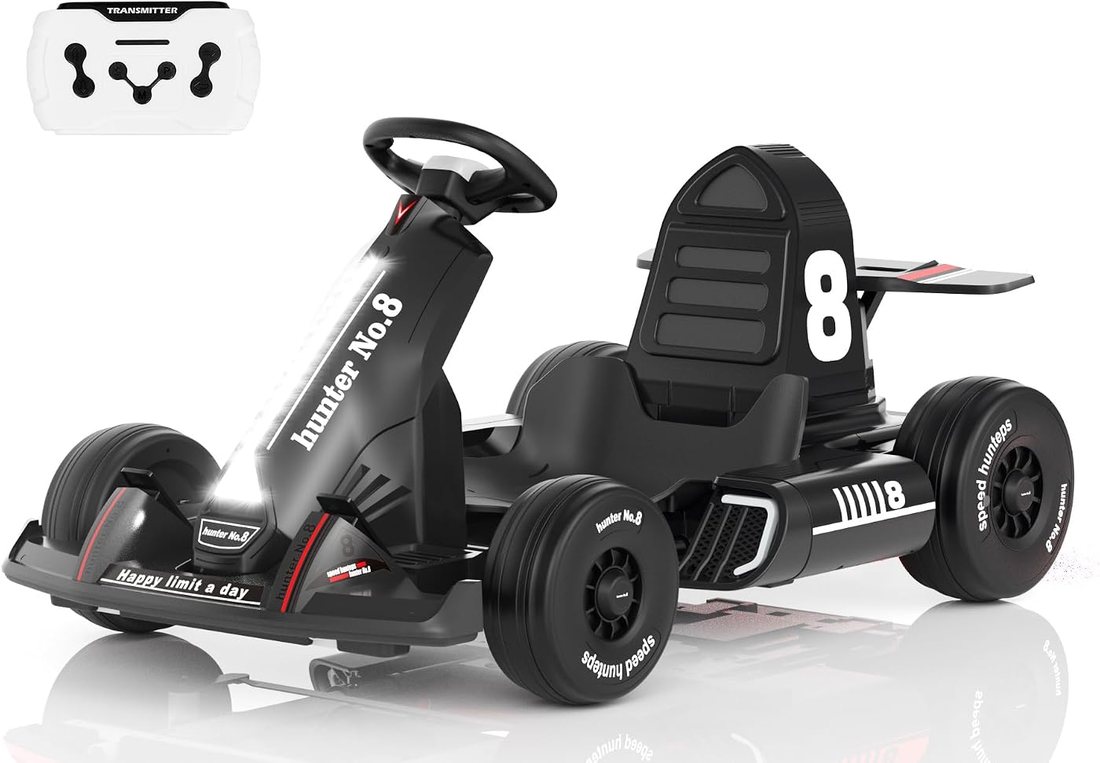
Both come with a parent remote control. That is the part worth paying for: you can steer, slow and stop the car from ten metres away while the child believes they are driving.
Everything on this shelf, with the price it carries today
All 10 on this shelf
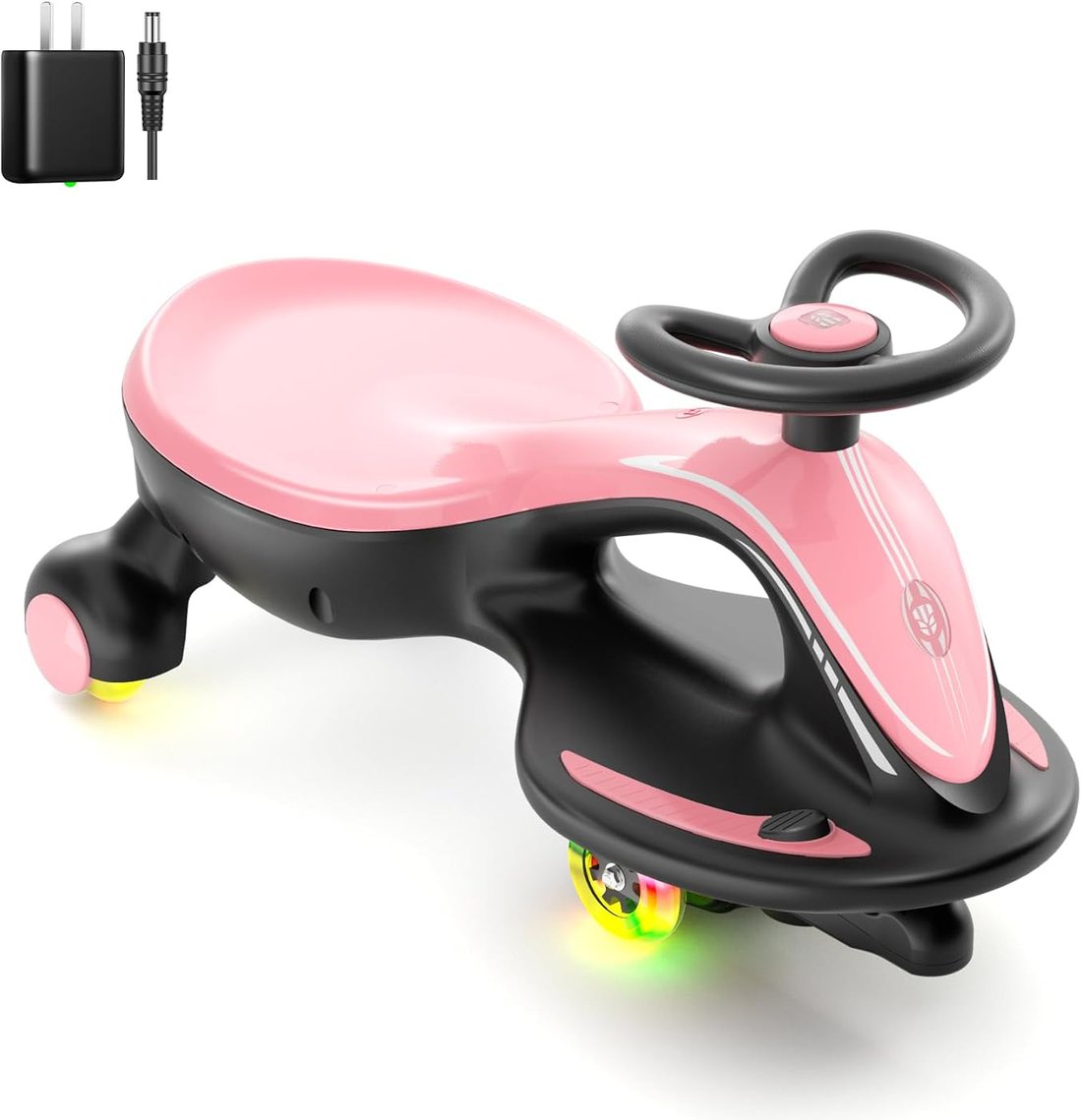
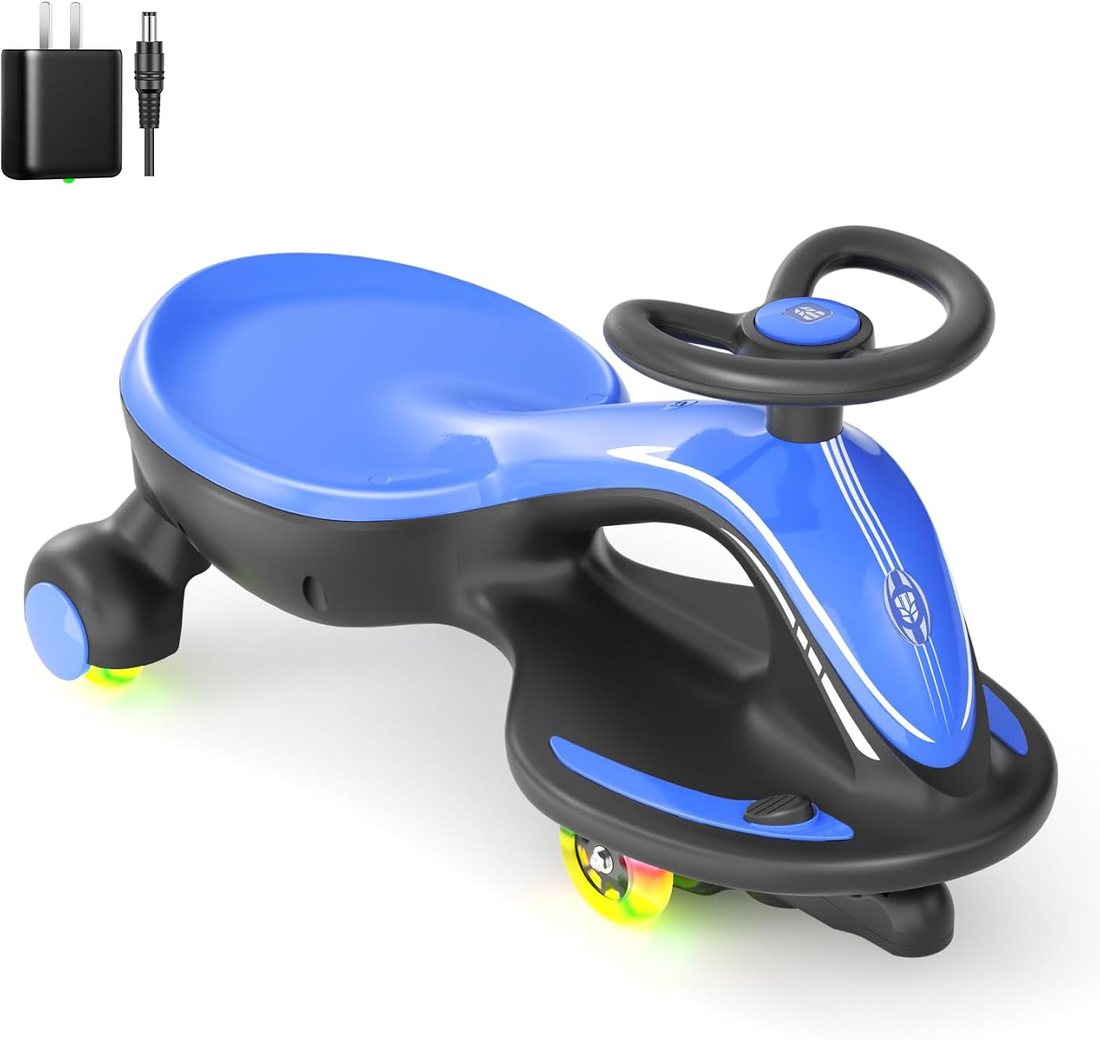
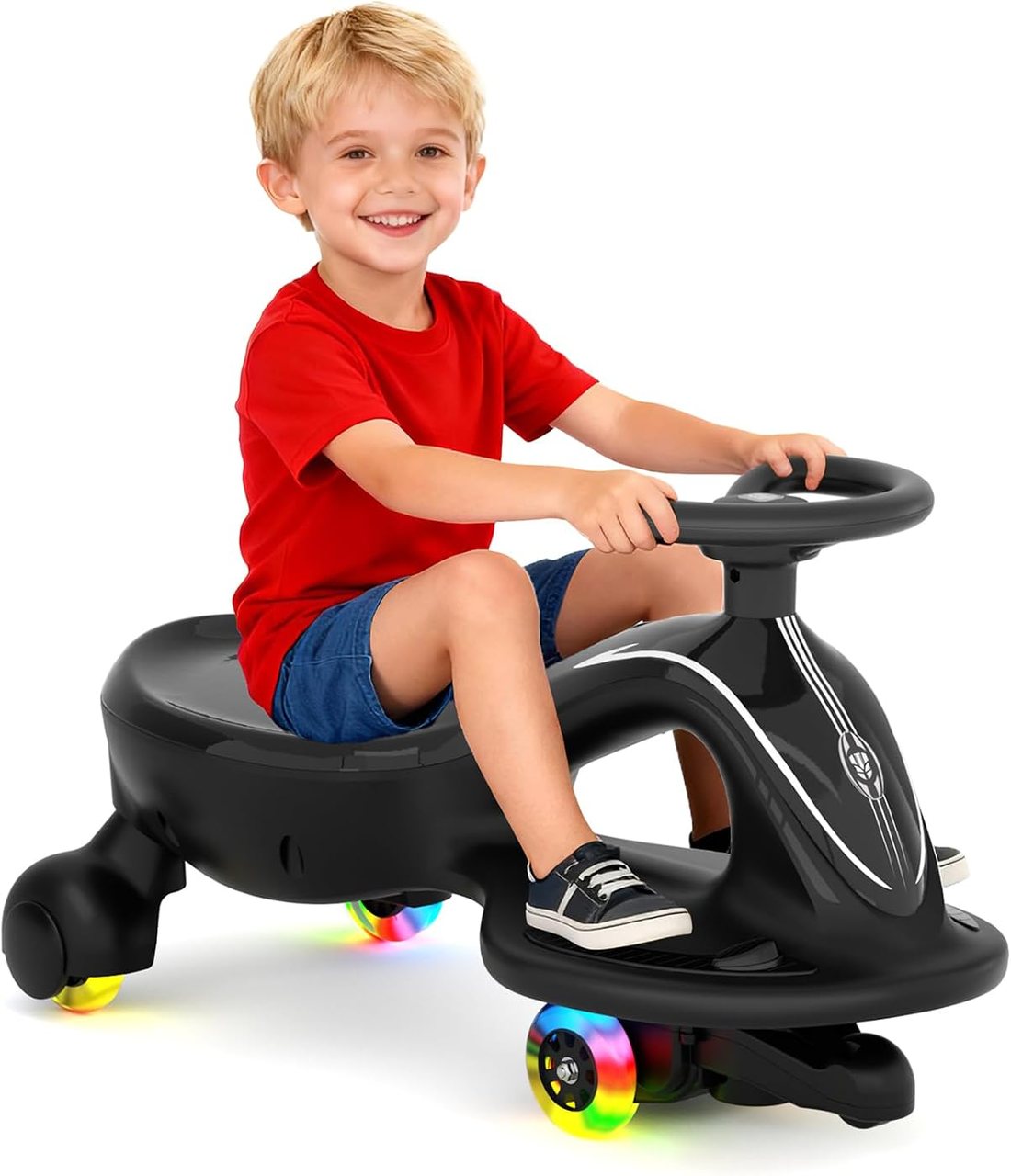
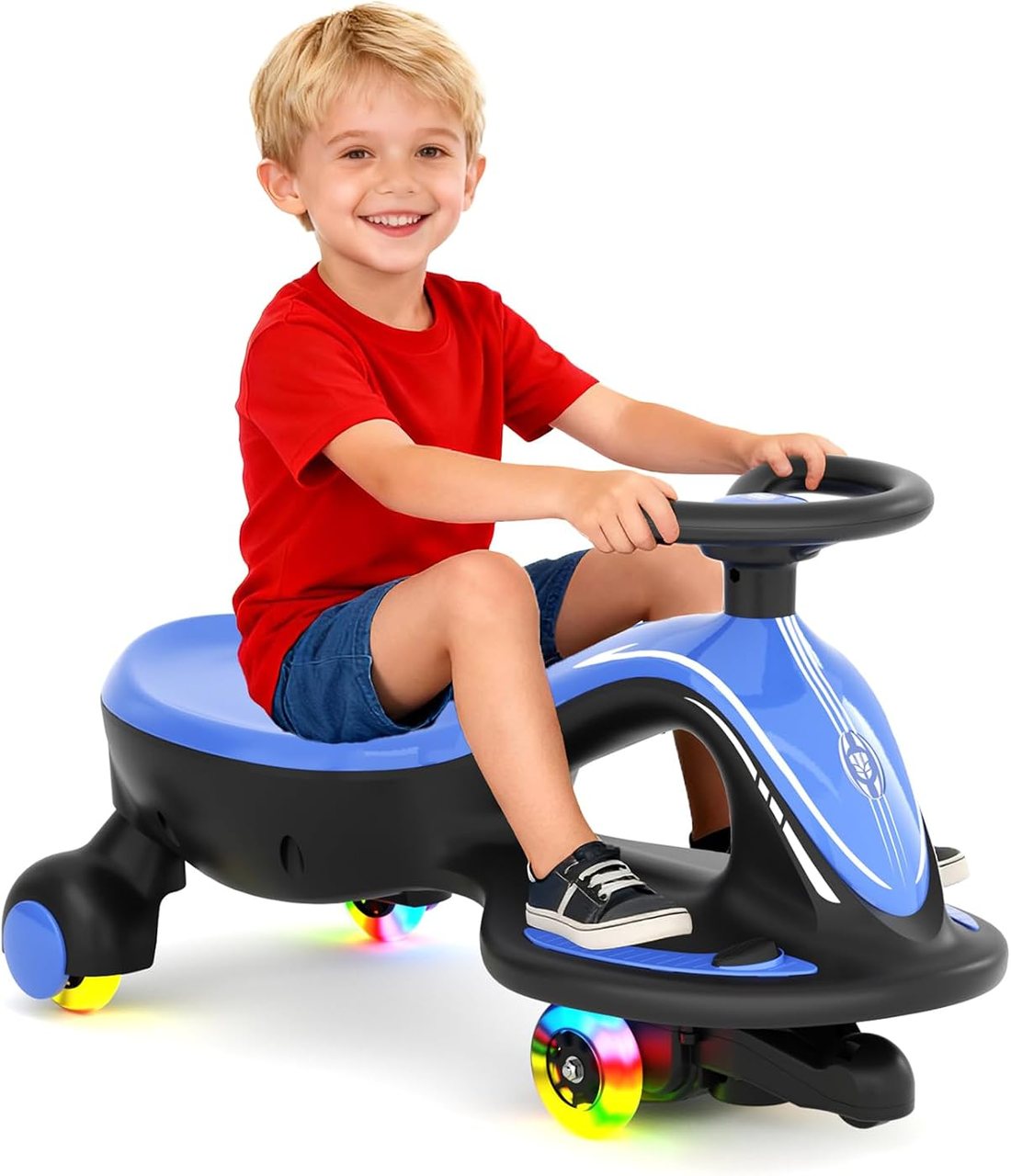
Power, speed and the cut-off
Six volts gives about two miles an hour and forty minutes of running; twelve volts with a seven amp-hour battery gives seven miles an hour in high, three in low, and an hour and a half. The low setting is a physical switch under the seat, not a setting in an app, which means a toddler cannot change it.
Release the remote and the drive cuts, every time. The go-kart adds a pedal brake and a reverse, and the seat belt is a lap strap on a non-slip bucket with a soft, supportive back. We would not call any powered ride-on toy safe on a public road, and these are not built for one.
- 6V wiggle cars, 12V go-karts
- Parent remote with power cut-off
- Low and high speed switch under the seat
- Adjustable sliding seat on the go-karts
- Lights, horn and audio port
Charging and the first hour
Charge for eight to twelve hours before the first run and never leave it on charge overnight after that. Assembly is wheels, steering wheel and seat: fifteen minutes, tools supplied, and the modular design means a wheel or a pedal arm can be replaced on its own if it takes a knock. Nothing about the installation needs soldering or an adult who enjoys wiring diagrams.
Lights on the front and the wheels, a horn, and a port that will play whatever is on your phone. They sound like a gimmick until you watch the first lap of the driveway.
What else is out there
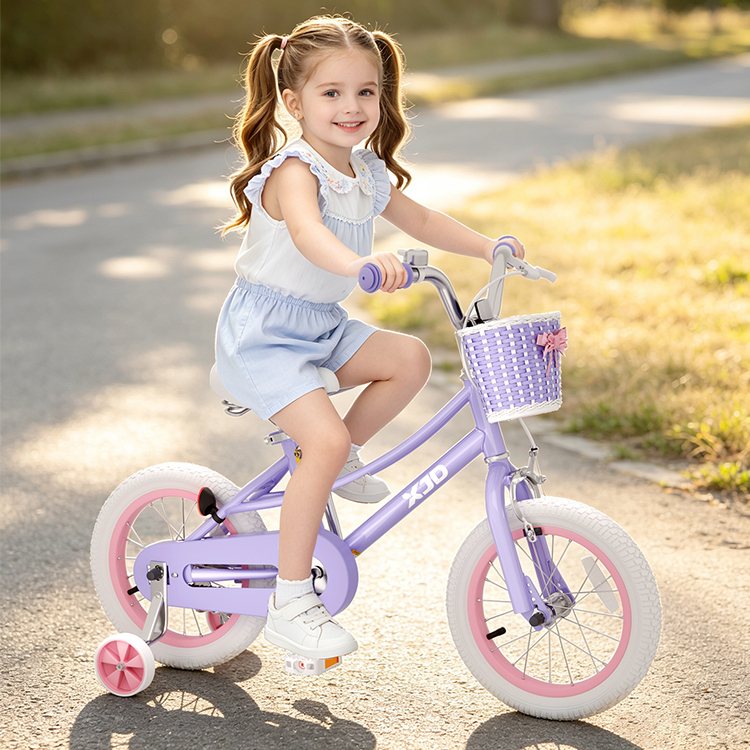
These do not teach a child to ride anything. For that, the balance bike shelf, or a toddler trike with a push handle if they are under two, then a kids bike with training wheels. A three-wheel scooter does more for balance in a week than a go-kart does in a year.
A helmet goes on the go-kart riders here, even at seven miles an hour, and especially on a drive with a slope. Pads are a sensible addition and the sets are cheap.
What every XJD balance bike shares with the rest of the line
Across the XJD line the parts a child actually meets are the same parts. A balance bike, a kids trike and a ride on car carry one soft, supportive PU seat pressed on the same tool, the same non-slip grips, and wheels that stay smooth over the joint in a concrete slab. The frame is sturdy without being heavy, which is what keeps a bike safe under a toddler still learning where the edges are, and a baby who can sit up unaided can sit on it.
The carton is the other constant. A modular design means the halves that matter arrive already fitted, the tools are in the box, and installation is a ten minute job on the kitchen floor that finishes well within one cup of coffee. It is why the line travels so well as a gift: it feels comfortable the first time a child sits on it, and nobody would have to drive to a hardware shop before the first ride.
On this shelf the battery and the push handle are the variables, and the handle is the part parents end up using most.
- One PU seat shape across the bikes, so a hand-me-down feels familiar under a younger child
- Non-slip grips and rounded bolt heads on every frame on this shelf
- Tools in the carton; installation inside fifteen minutes on a kitchen floor
- Published weights, so you know what a toddler can pick up and right again alone
- Colours and sizes listed as separate rows, because that is how they go out of stock