 driveway years

Chalk notes
A helmet that stays on
A helmet that sits on the back of the head protects the back of the head. Here is the fit, the sizing, and the small number of arguments that actually work on a three year old.
Measure the head, not the child
Run a tape around the head an inch above the eyebrows, over the widest part at the back. Write the number in centimetres. Our small shell covers 48 to 52, the large 50 to 57, and the overlap is deliberate.
On the overlap, take the larger shell and wind the rear dial in. A large shell wound tight fits correctly and has somewhere to go next year. A small shell at its limit has nowhere.
Age ranges on helmet boxes are close to useless. Head circumference at two years old varies by four centimetres between children, which is a whole size.
The fit, in four checks
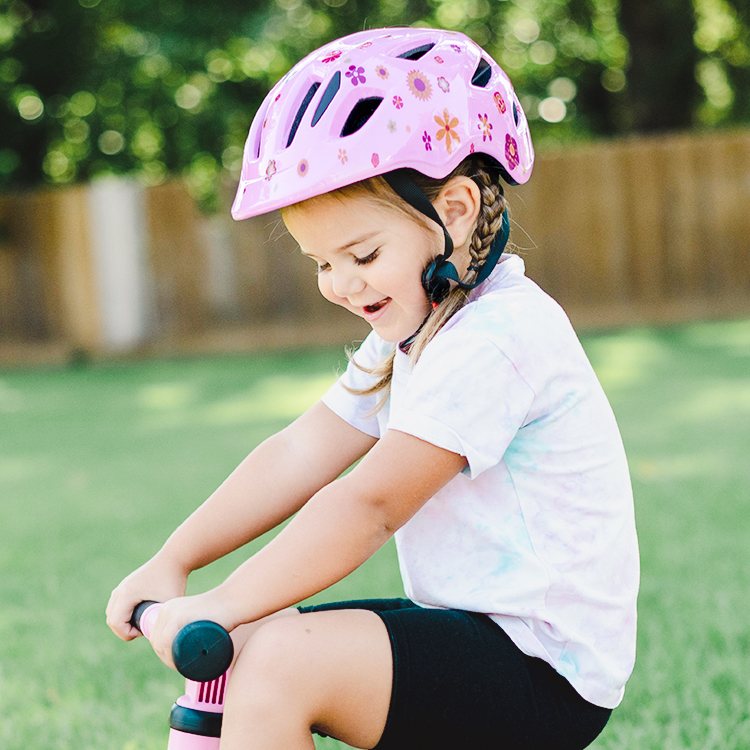
Level. The helmet sits flat on the head with the front rim two finger-widths above the eyebrow, not tipped back off the forehead.
Snug. Wind the dial until the helmet stays put with the strap undone and you can shake your head without it moving.
Strapped. The buckle sits under the jaw, not on the throat, and the side straps make a V around the ears. One finger should just fit under the chin strap.
Tested. Push the front rim up hard. If the helmet rocks back and exposes the forehead, the dial or the rear straps need another turn. Then open the mouth wide: the helmet should pull down slightly. That is a correct strap.
What the shell is for
The hard outer skin spreads an impact; the soft inner foam absorbs it by crushing. That is why a helmet is single-use in the way a seatbelt is not. Once the foam has crushed, it stays crushed, even if the outside looks fine.
Our shells are rated multi-sport, which means they are tested for bike, scooter and skate use. In practice that means more coverage at the back of the head than a road helmet and a thicker liner, and it is the right choice for a child who will be on a balance bike one day and a scooter the next.
Vents matter more than you would think. A child who is hot takes the helmet off at the end of the street and puts it back on when they see you.
- Two fingers above the eyebrow, level on the head
- Dial wound in before the strap is done up
- Open mouth pulls the helmet down slightly
- Replace after any marked impact
- Let the child pick the colour
When to replace it
After any impact that marked the shell, immediately, whatever it looks like. After about three years regardless, because the liner hardens with heat and sun. And whenever it stops fitting, which in this age group is usually first.
A helmet left on the parcel shelf of a car through an Arizona summer is finished. Store it indoors, or at least in shade.
Hand-me-down helmets are a bad idea for the same reason. You cannot see a crushed liner, and you have no idea what the first child did with it.
Getting a three year old to wear one
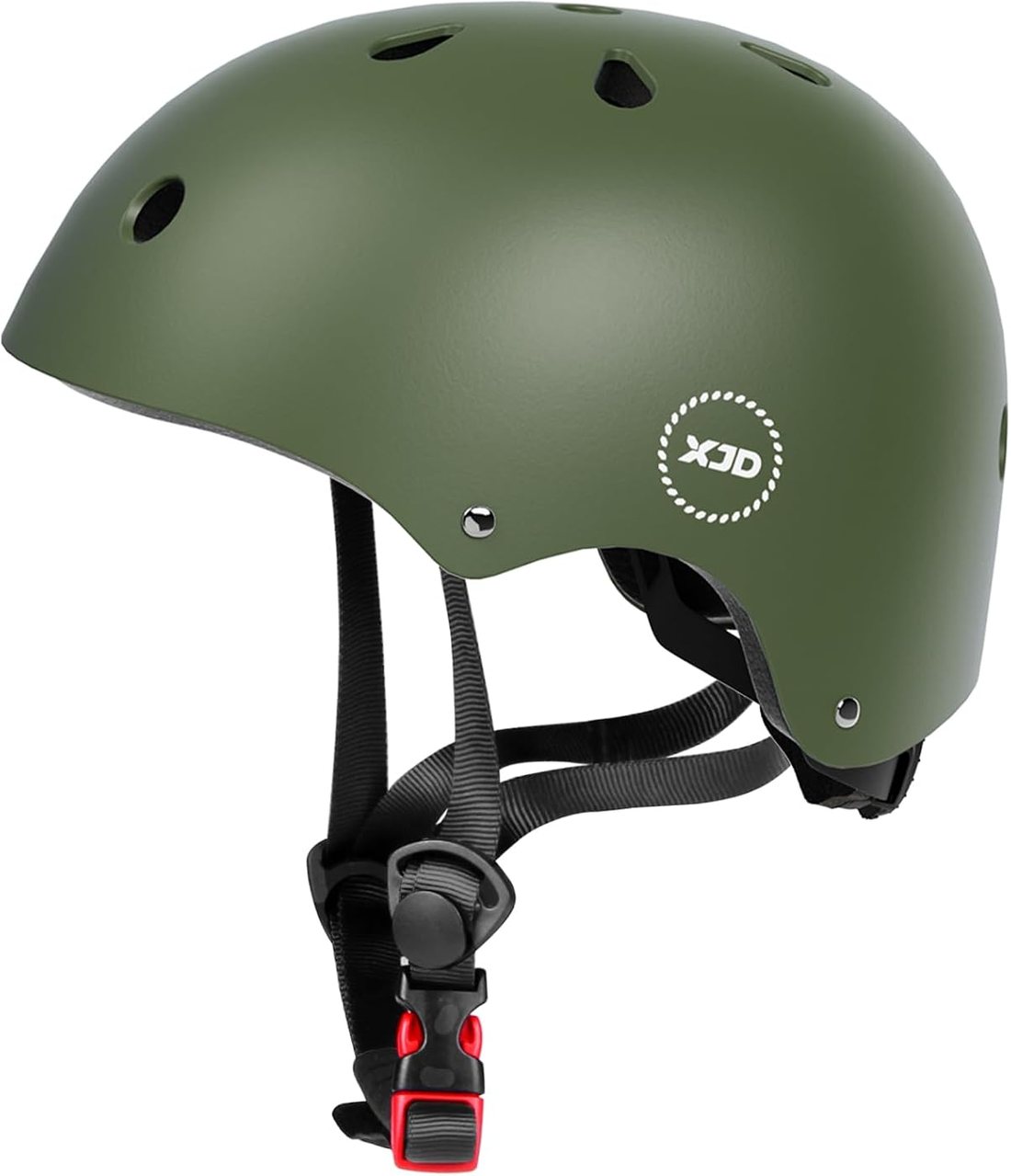
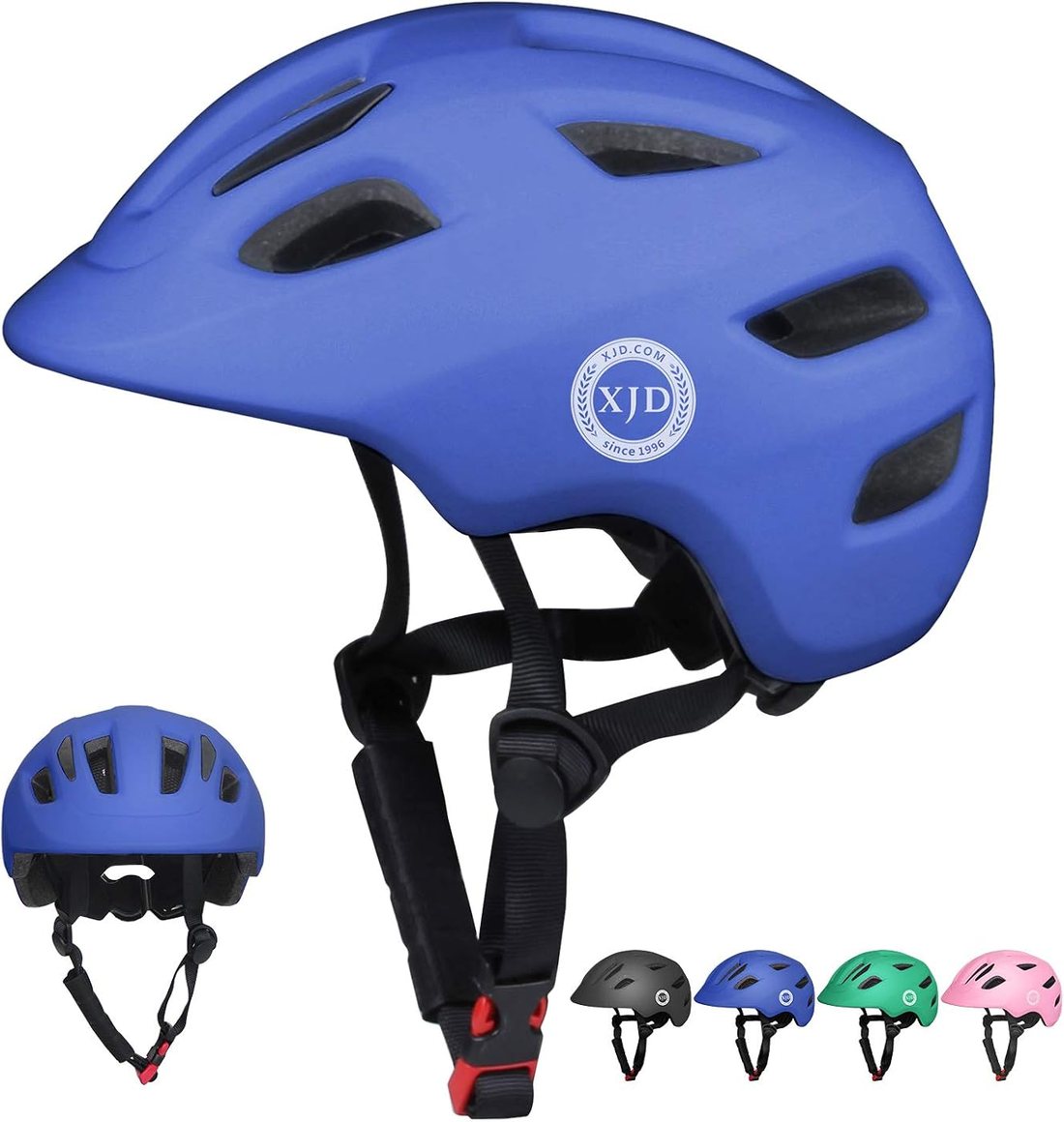
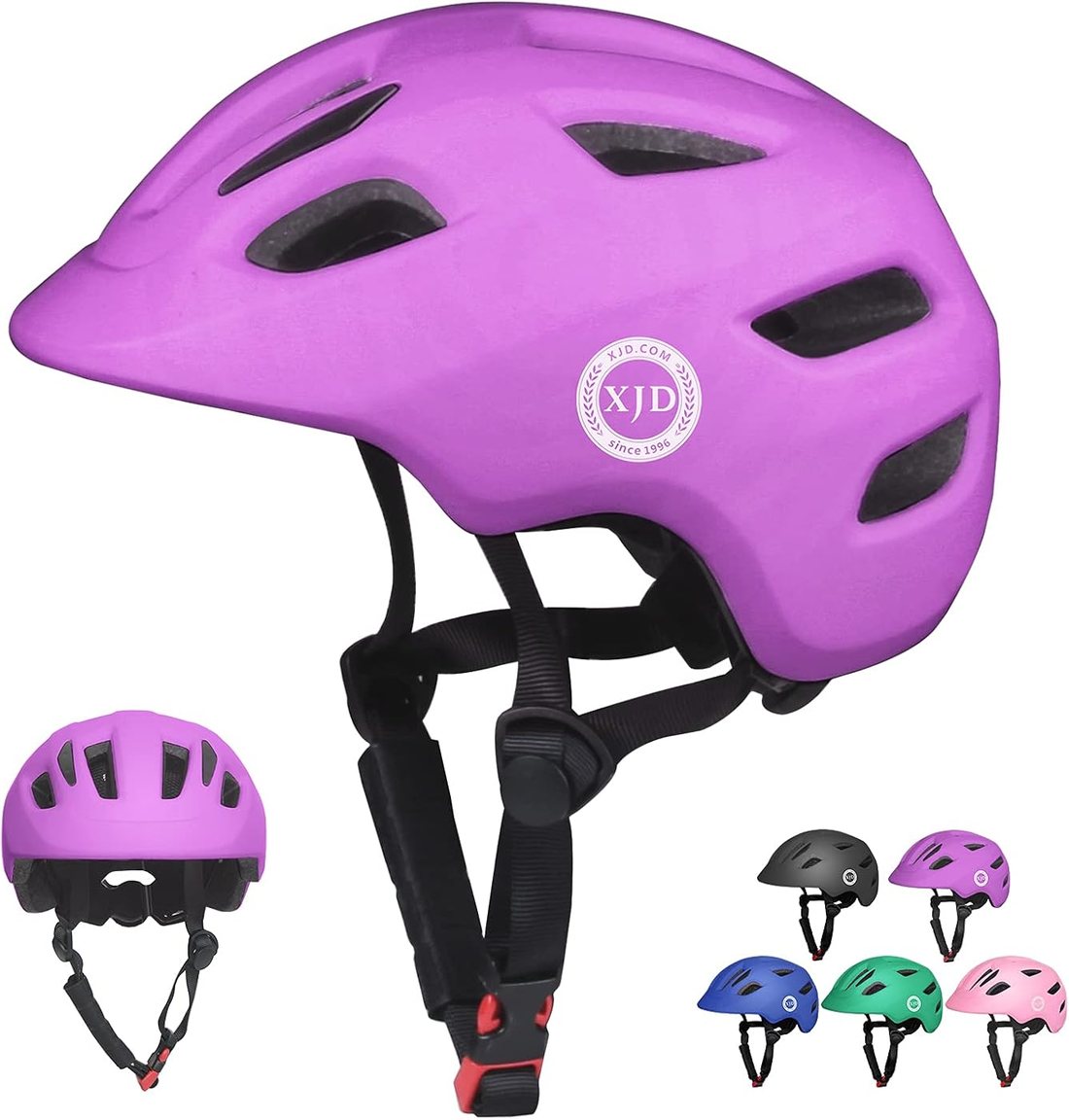
Let them choose the pattern. This is the whole trick and it works almost every time. Our shells run blue, pink, purple, white, black and a flowered print, and a child who picked the flowers will fight to put it on.
Make it a rule about the bike and not about them: the helmet is part of the bike, like the wheels, and the bike does not leave the garage without all of its parts. Children argue with instructions and accept physics.
Wear one yourself on the cruiser. A child who has never seen an adult in a helmet reads it as something done to children.
Pads, and whether they are worth it
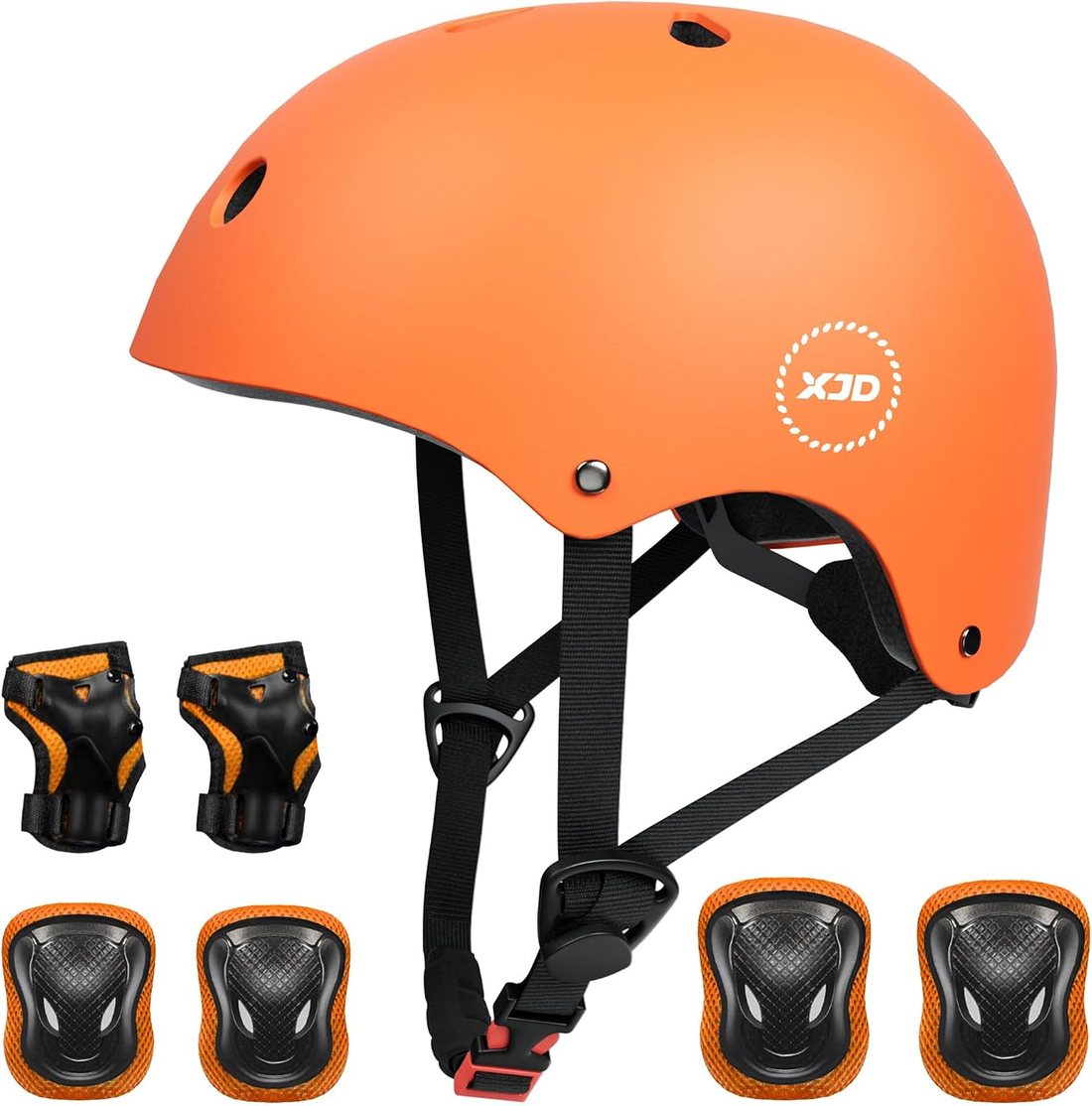
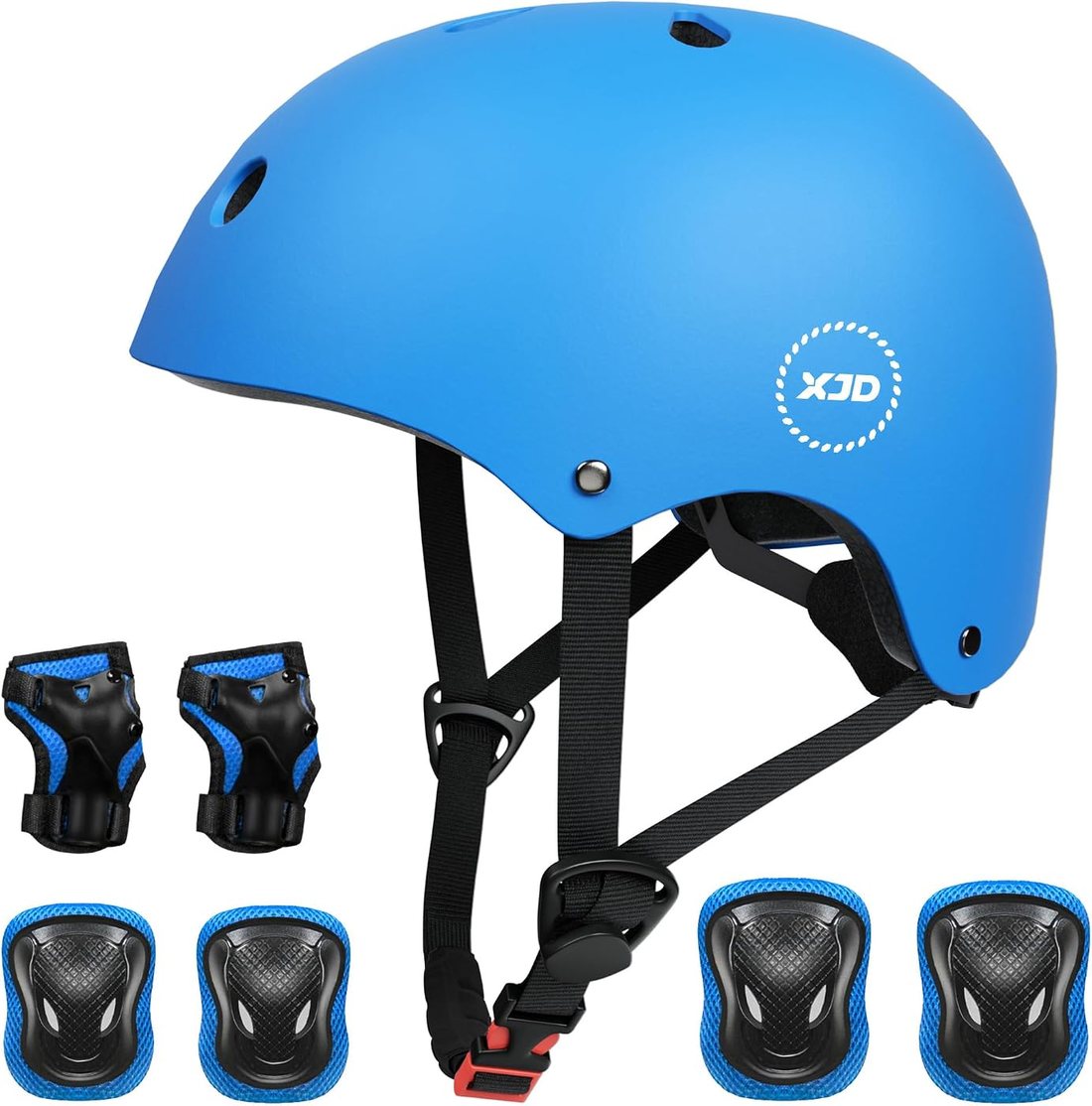
Knee and elbow pads earn their place in the first fortnight on a scooter and on any powered ride-on. On a balance bike they are mostly unnecessary, because children step off those rather than fall off them.
Wrist guards are the ones we would keep. A hand goes down first in almost every fall, and a wrist is the injury that stops the rest of the summer.
Buy the set rather than the pieces. Nobody goes back for the elbow pads later, and the matched sets cost less than two of the three bought separately.
One more thing about straps
Check the fit every month during a growth spurt and every time the helmet has been in someone else's car. Straps slip through the dividers, and a strap that has slipped lets the helmet rotate.
If the webbing is frayed at the buckle, or the dial clicks without tightening, stop using it. Neither part is repairable and both are the whole point.
Wash the liner pads in warm water by hand. Do not put a helmet through a dishwasher, which sounds like advice nobody needs until you have heard it twice in one summer.
What we would check alongside the helmet
A helmet is bought alongside something else, so the list below covers both. Work down it and the two decisions stop fighting each other.
- Ask what the brakes are for. On a balance bike a hand brake is a bonus a three year old may ignore; on a pedal bike it is the safety item that matters most.
- Keep a list of what came in the box. Riders grow out of bikes faster than parents expect, and making the handover easy a year from now starts with the allen key that came taped to the frame.
- Teach in one place. A flat driveway with a slight fall at the far end does more for balance in an hour than a week of instruction, because gravity is the better guide.
- Make the helmet part of the ritual from the first push, not from the first fall. It is easier to manage a habit than to argue with a five year old about one.
- Watch the feet. When a child stops putting them down on the move and starts holding them up, the center of balance has arrived and pedals will be easy.
- Count the hours, not the days. Most children we hear from enjoy a balance bike in short bursts, and the learning happens across twenty of those rather than one long afternoon.
- Ask whether you want training wheels at all. Experts and parents disagree loudly, and both are right for different children; what training wheels teach is steering, not balance.
- Compare the support under the saddle. A soft seat feels kind in a shop and sticky in July; a firmer one is more helpful on a long ride.
- Buy the size they are, not the size they will be. A bike bought a year early sits in a garage and makes the child feel worse about riding, not better.
- Measure the inseam before you look at any age label: the adjustable seat range on the page is the number that decides whether a kids balance bike fits this month or next summer.
- Weigh it, or read the published weight. A toddler balance bike that a child cannot right alone teaches them to wait for an adult, which is the opposite of the point.
- Decide early whether you want aluminum or steel. Aluminum frames are lighter to carry upstairs; steel ones are typically cheaper and more durable under a sibling or two.
- Look at the tyre, not the brand. Foam wheels never puncture and need no pump; air tyres roll better on gravel and give a softer ride on a rough pavement.
- Consider where the transition goes next. A child starting at two will want a pedal bike at four, so look at how the two bicycles compare before you buy the first one.
- Check that the seat post can be dropped to the floor and still clamp. That is what lets you customize fit for a short-legged toddler without extras from a bike shop.
A helmet that fits gets worn without an argument, and a bike that fits gets ridden. The two together are most of what a good first summer is made of.
Asked after this one
How can I get my child to wear a helmet?
Let them choose the colour, make it a rule about the bike rather than about them, and wear one yourself. In that order. A helmet the child picked is worn without discussion.
Can a helmet be too big for a toddler?
Yes, and the sign is rotation: if it rocks back off the forehead when you push the front, no amount of strap tension will fix it. That is a shell size down.
Do helmets expire?
Not on a date, but the liner hardens with heat and age. Three years of ordinary use, or sooner if it has lived in a hot car, and immediately after any real impact.