 driveway years
Chalk notes
What a kids balance bike actually does
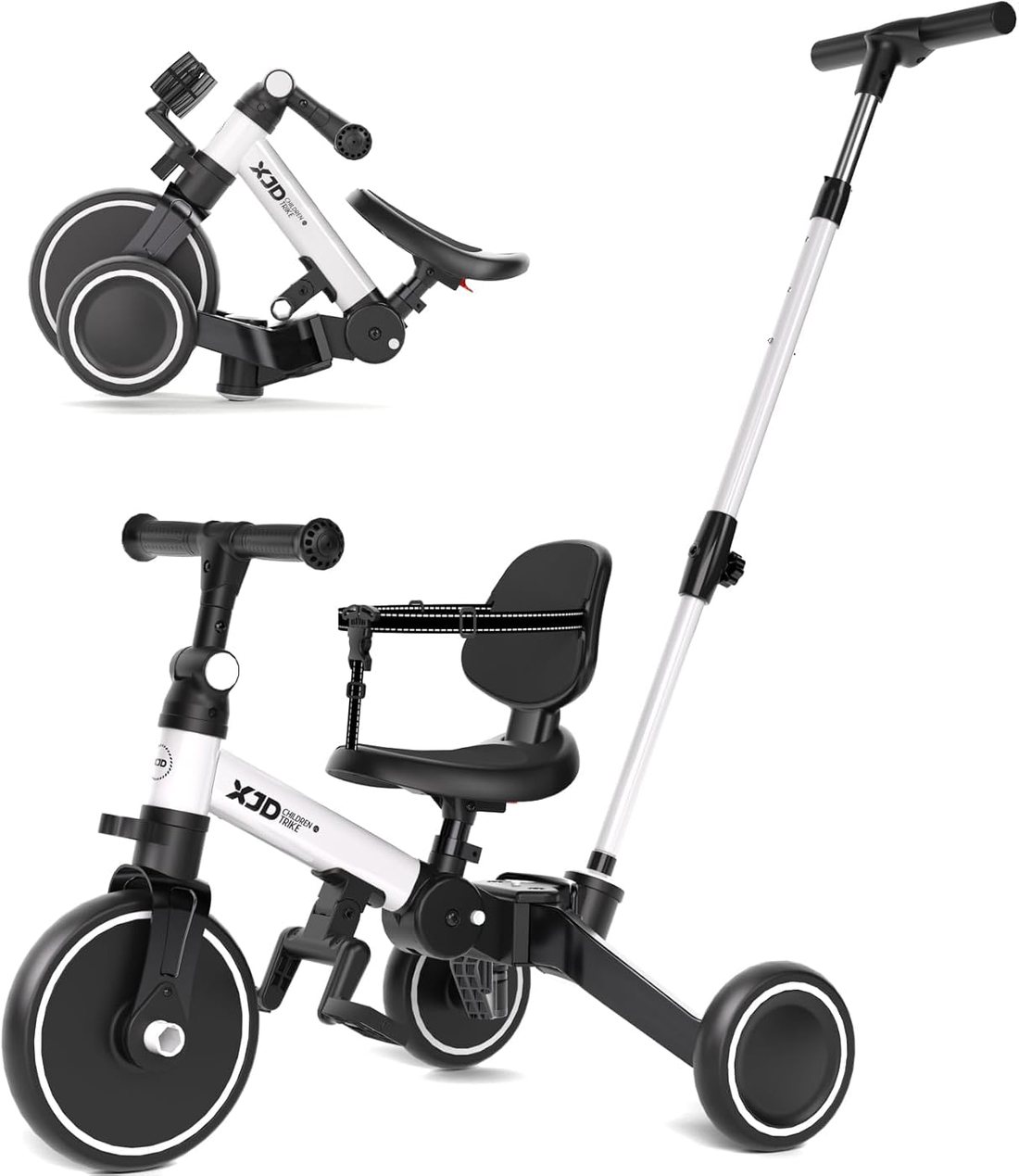
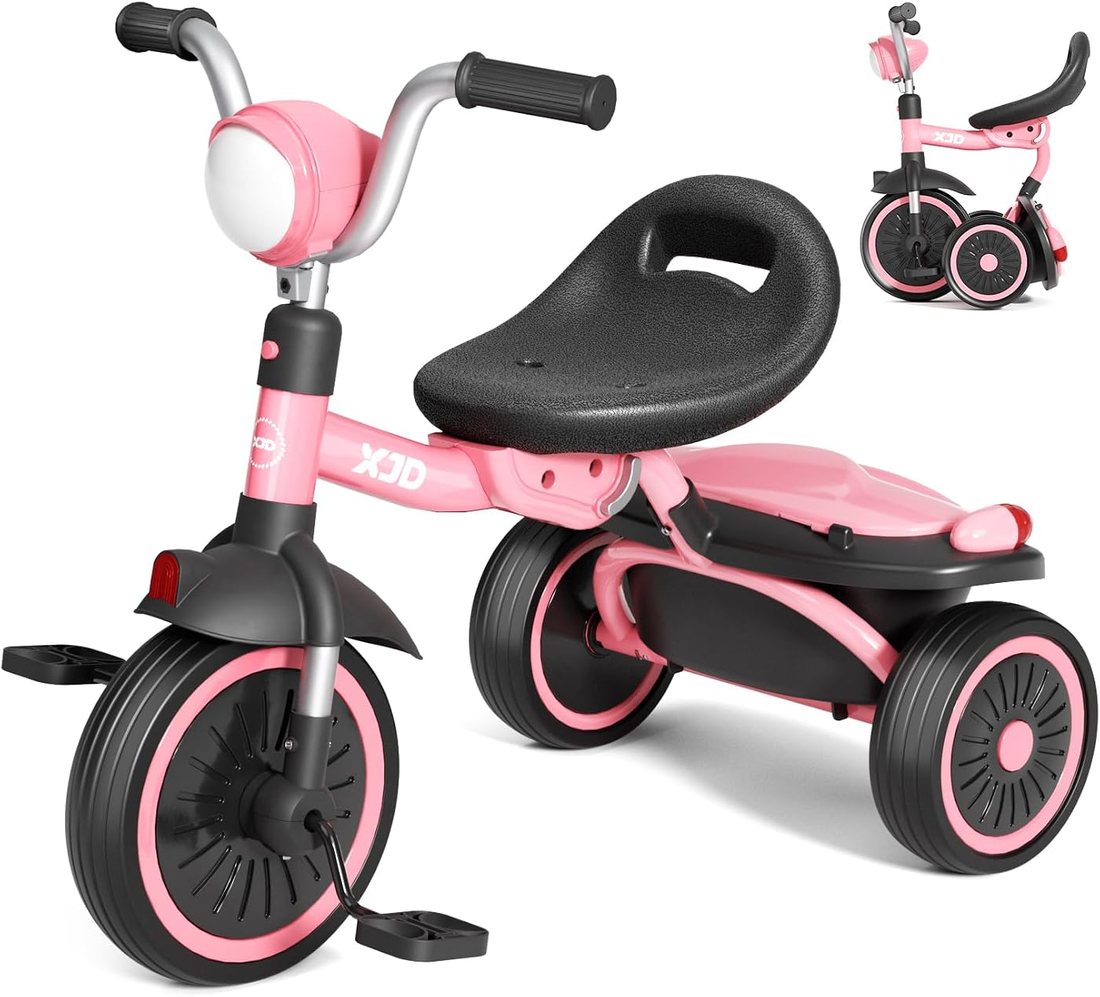
Take the pedals off a bike and you have taken away the hard part last, not first. That is the whole idea, and it is the reason a toddler balance bike beats a pedal bike with training wheels for a child who is starting out.
Two skills, learned one at a time
Riding a bike is two separate jobs. One is balance: holding a narrow thing upright while it moves, steering with your hips and your eyes rather than your hands. The other is drive: turning a pedal in a circle while you do all of that.
A pedal bike asks a child to learn both at once. A kids balance bike asks for one. The child sits on the seat, walks the bike forward, and at some point the feet come up and stay up, because the bike is holding itself.
That moment usually arrives in an afternoon. Nobody has to teach it. There is no technique to explain, no running alongside, and no point at which an adult lets go of a saddle and a child discovers they were never really riding.
The age it suits, honestly
Two to five, with the edges blurred. The limit at the bottom is not age but inseam: the child has to sit on the seat with both feet flat on the ground and a slight bend in the knee. On our 12 inch frames that is a 12 inch saddle height, which fits a child of around 32 inches tall.
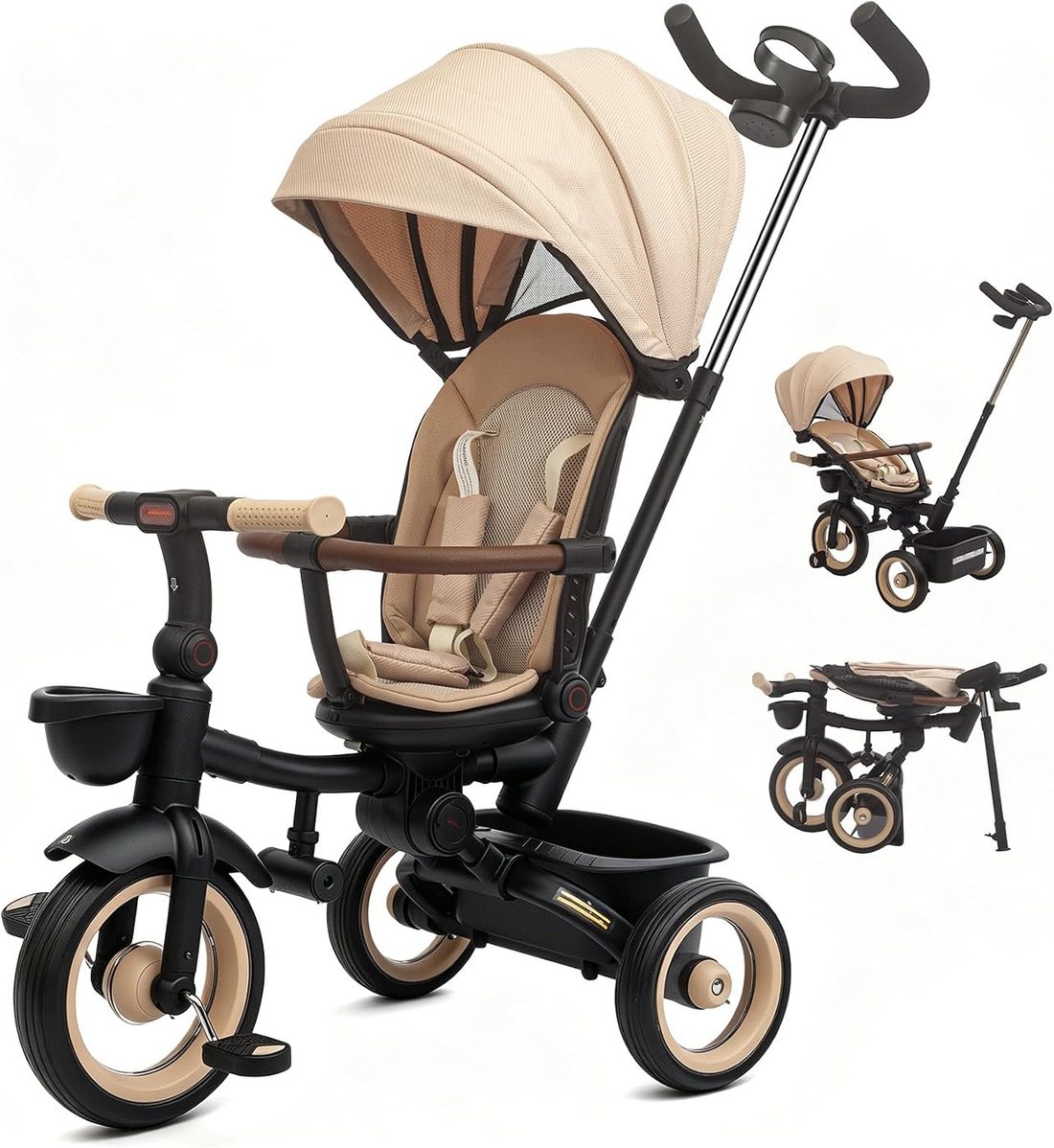
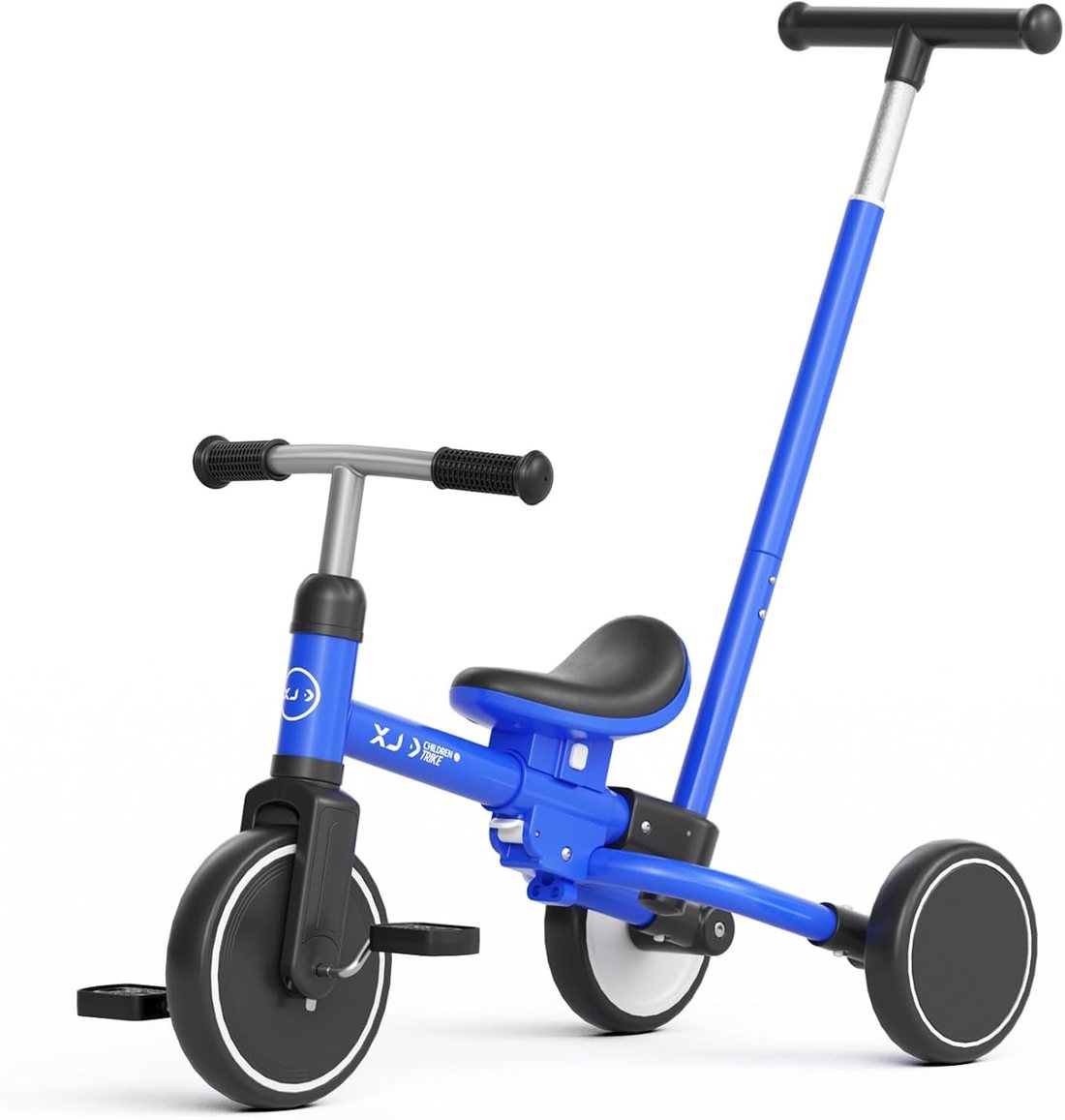
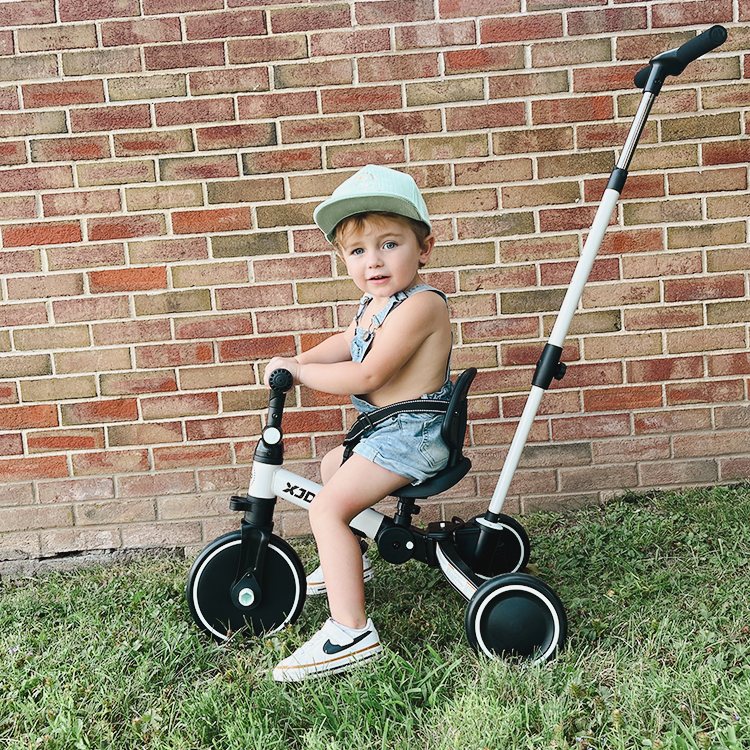
Below that, a toddler is still a passenger, and a trike with a push handle is the better buy. Above five, most riders have already made the move to pedals and a balance bike becomes a thing they ride in circles for fun.
A short list of what to look for, in order: saddle range, weight of the bike, wheel type, grips. Age labels come last. They are set by the people selling the bike, not by the child's legs.
Compared with a pedal bike and training wheels
Training wheels keep a bicycle upright by refusing to let it lean, and leaning is the skill. A child on training wheels rides for a year and then starts the balance lesson from zero on the day the wheels come off.
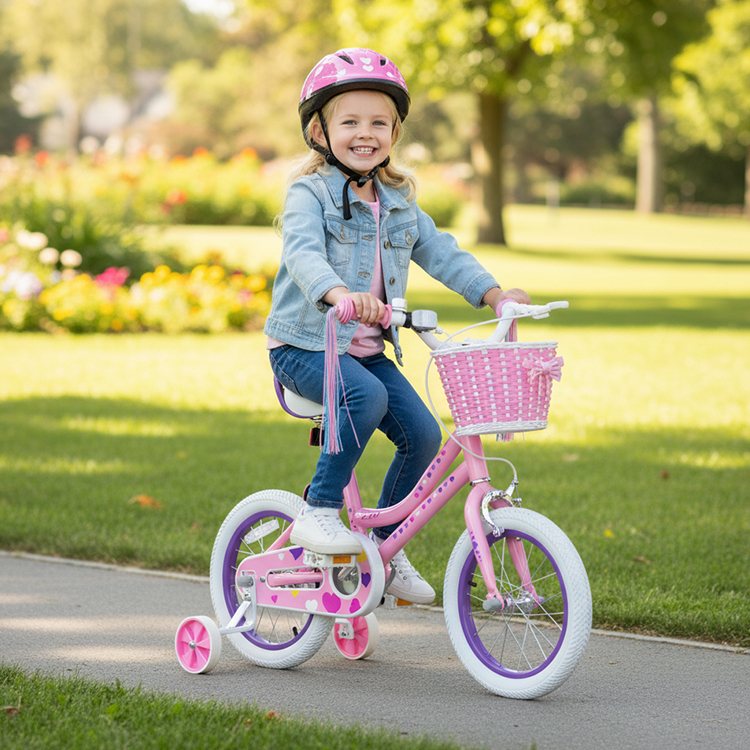
A child who has had a balance bike typically skips that week entirely. They get on a pedal bike, put their feet on the pedals, and go. We still ship training wheels on every kids bike we make, because the first fortnight is easier with them and because some families want them, but we would not plan a child's first two years around them.
The other difference is weight. A balance bike weighs six to nine pounds. A 12 inch pedal bike with a chain, a guard, a coaster brake and training wheels weighs eighteen. A toddler can pick the first one up off the lawn and cannot pick up the second.
- Both feet flat on the ground, knees slightly bent
- Bike under a quarter of the child's weight
- Foam wheels for pavement, air for grass
- Non-slip grips with closed ends
- An adjustable seat with at least four inches of travel
Frames: wood, aluminum, and what we build
Three materials, three compromises. Wooden frames are quiet, cheap and light, with no adjustable seat worth the name and no tolerance for being left out in the rain. Aluminum frames are the light end of the serious market: durable, rust-proof, and expensive enough that a scratch hurts.
Our balance bike frames are welded steel with a plastic fork shroud, which puts them in the middle: heavier than aluminum by a pound, cheaper by a lot, and effectively immortal. The 24 and 26 inch mountain bikes further along the driveway are aluminum, because at that size the weight matters more than the price.
Whatever the frame, look at the wheels. Foam-filled wheels never puncture and never need a pump, which is the right answer for a toddler. Air tyres roll better over grass and gravel and will find a thorn eventually.
The seat, the grips and the extras
The adjustable seat is the part that decides how many summers you get. Ours drops to 12 inches and rises to 16 on one bolt, so the same bike carries a child from two to five. A soft, supportive PU top gives support under the thigh where a hard plastic shell digs in.
Grips should be non-slip rubber with a closed end, so a hand that slides forward stops before it leaves the bar. A footrest is nice and rarely used. A hand brake on a balance bike is for a four year old, not a two year old, who will stop with their shoes whatever you fit.
The extras in the box are usually a spanner and a bell. You can customize the setup later with a basket or a plate, and none of it changes how the bike rides.
Helmet first, and the safety that is not about kit
A helmet goes on before the bike comes out, every time, because a habit set at two is not negotiated at six. Level on the head, two fingers above the eyebrow, strap snug. A child who can manage the buckle themselves will wear it without an argument.
The rest of safety on a balance bike is terrain. Flat, dry, no slope, no kerb, nothing with a drop at the end of it. The center of gravity on these bikes is low and that makes them forgiving, but a slope turns a walking pace into a run very quickly.
Knee pads are helpful in the first week and unnecessary after it. Children fall off a balance bike the way they fall over while running, which is to say onto their feet.
The transition, and how you will know
Watch for three things: both feet up for several seconds, a lean into corners rather than a steer, and the child looking where they are going rather than at the front wheel. When all three arrive, they are ready for a pedal bike.
Making the move is a smaller event than you expect. Set the saddle on the new bike low enough for flat feet, take the training wheels off or leave them on for a week, and let them ride. Most children do it in one go and then want their balance bike back for a fortnight, which is fine.
We are not child development experts and we would not pretend to be. We make bikes, we watch several hundred children a year ride them, and this is the pattern we see.
What we would check before buying the first one
If you are buying rather than reading, this is the order we would go in. It is the same order we use when a parent emails us a height and asks which one.
- Measure the inseam before you look at any age label: the adjustable seat range on the page is the number that decides whether a kids balance bike fits this month or next summer.
- Weigh it, or read the published weight. A toddler balance bike that a child cannot right alone teaches them to wait for an adult, which is the opposite of the point.
- Decide early whether you want aluminum or steel. Aluminum frames are lighter to carry upstairs; steel ones are typically cheaper and more durable under a sibling or two.
- Look at the tyre, not the brand. Foam wheels never puncture and need no pump; air tyres roll better on gravel and give a softer ride on a rough pavement.
- Consider where the transition goes next. A child starting at two will want a pedal bike at four, so look at how the two bicycles compare before you buy the first one.
- Check that the seat post can be dropped to the floor and still clamp. That is what lets you customize fit for a short-legged toddler without extras from a bike shop.
- Ask what the brakes are for. On a balance bike a hand brake is a bonus a three year old may ignore; on a pedal bike it is the safety item that matters most.
- Keep a list of what came in the box. Riders grow out of bikes faster than parents expect, and making the handover easy a year from now starts with the allen key that came taped to the frame.
- Teach in one place. A flat driveway with a slight fall at the far end does more for balance in an hour than a week of instruction, because gravity is the better guide.
- Make the helmet part of the ritual from the first push, not from the first fall. It is easier to manage a habit than to argue with a five year old about one.
- Watch the feet. When a child stops putting them down on the move and starts holding them up, the center of balance has arrived and pedals will be easy.
- Count the hours, not the days. Most children we hear from enjoy a balance bike in short bursts, and the learning happens across twenty of those rather than one long afternoon.
- Ask whether you want training wheels at all. Experts and parents disagree loudly, and both are right for different children; what training wheels teach is steering, not balance.
- Compare the support under the saddle. A soft seat feels kind in a shop and sticky in July; a firmer one is more helpful on a long ride.
- Buy the size they are, not the size they will be. A bike bought a year early sits in a garage and makes the child feel worse about riding, not better.
None of this is complicated. It is the same five measurements every time, and once you have them the shelf narrows to two or three models.
Asked after this one
Is three too old to start on a balance bike?
No. Three is the most common starting age we see. A three year old will often learn in a single afternoon and move to a pedal bike within a year, so you get less time on it, but the lesson still happens in the right order.
What are the downsides of a balance bike?
You will buy two bikes instead of one, and there is a stretch of a few weeks where the child is faster than their own judgement and has no brake to speak of. Flat ground and a helmet cover both.
Which balance bike is best for a three year old?
A 12 inch frame with the saddle set near the bottom of its range, or a 14 inch if the child is tall. Measure the inseam and match it to the saddle minimum; the wheel size on the box is only a proxy for that number.