 driveway years
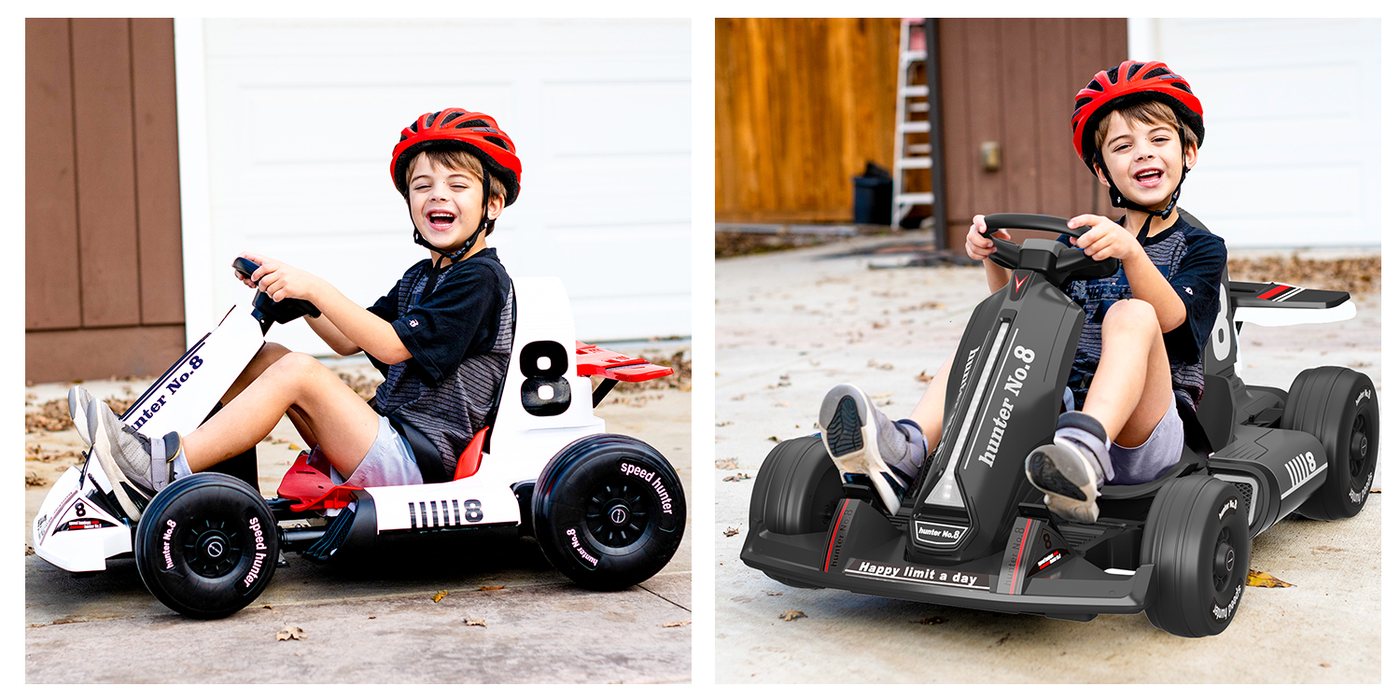
XJD BMX and mountain bike, 20 to 26 inch
Some years after the XJD balance bike, this is the shelf the same child ends up on.
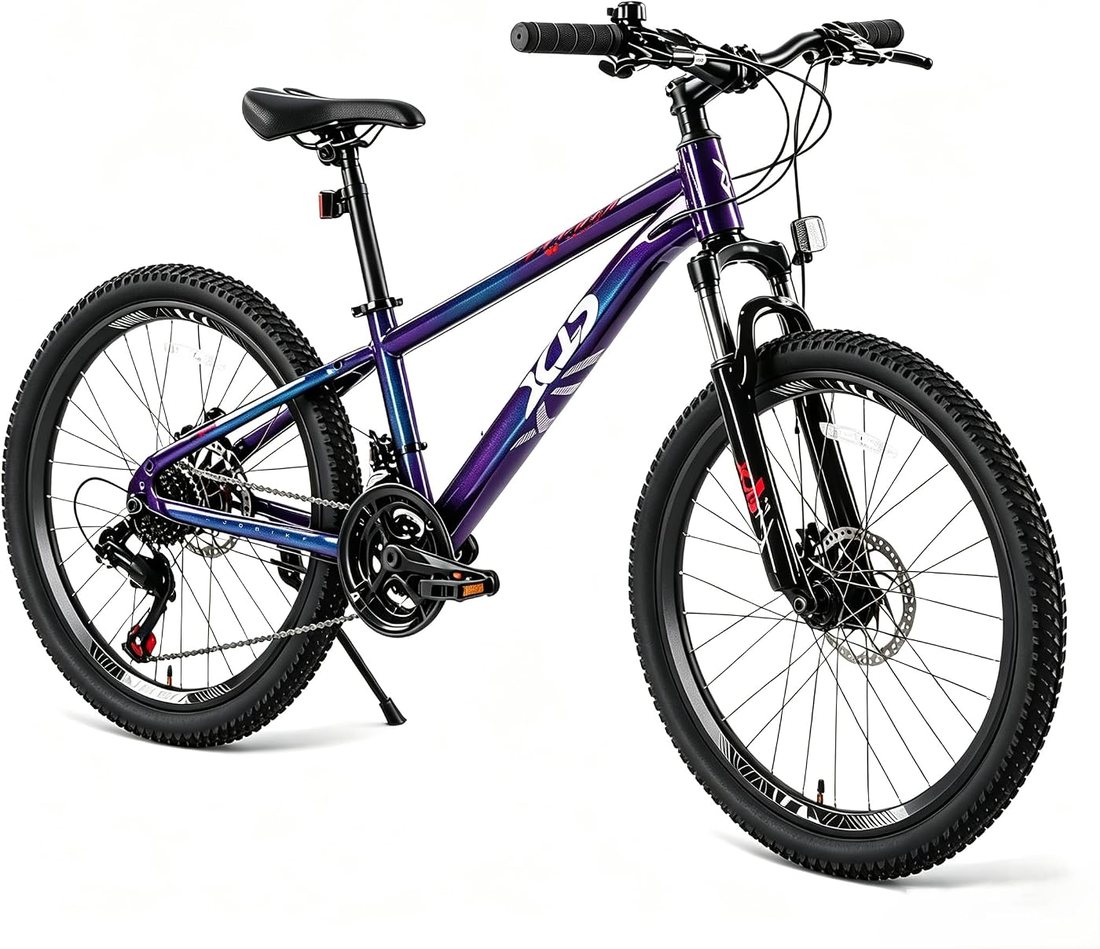
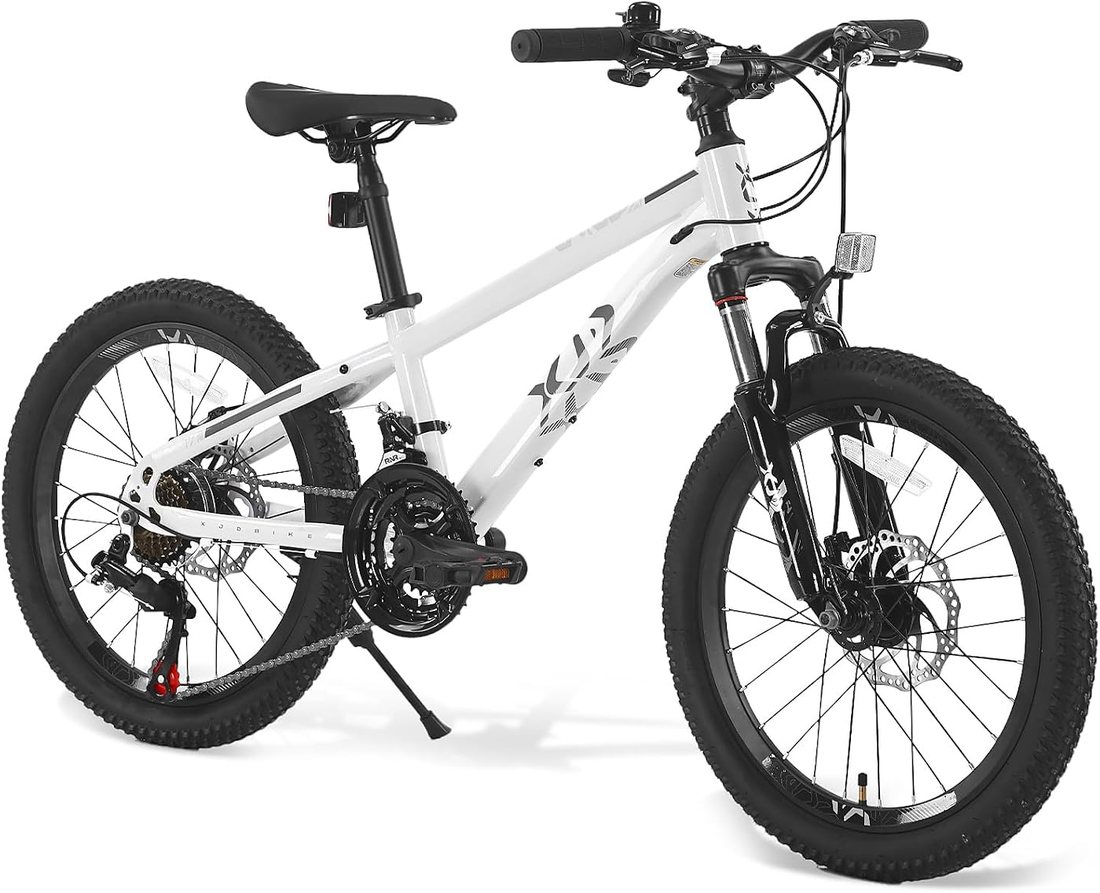
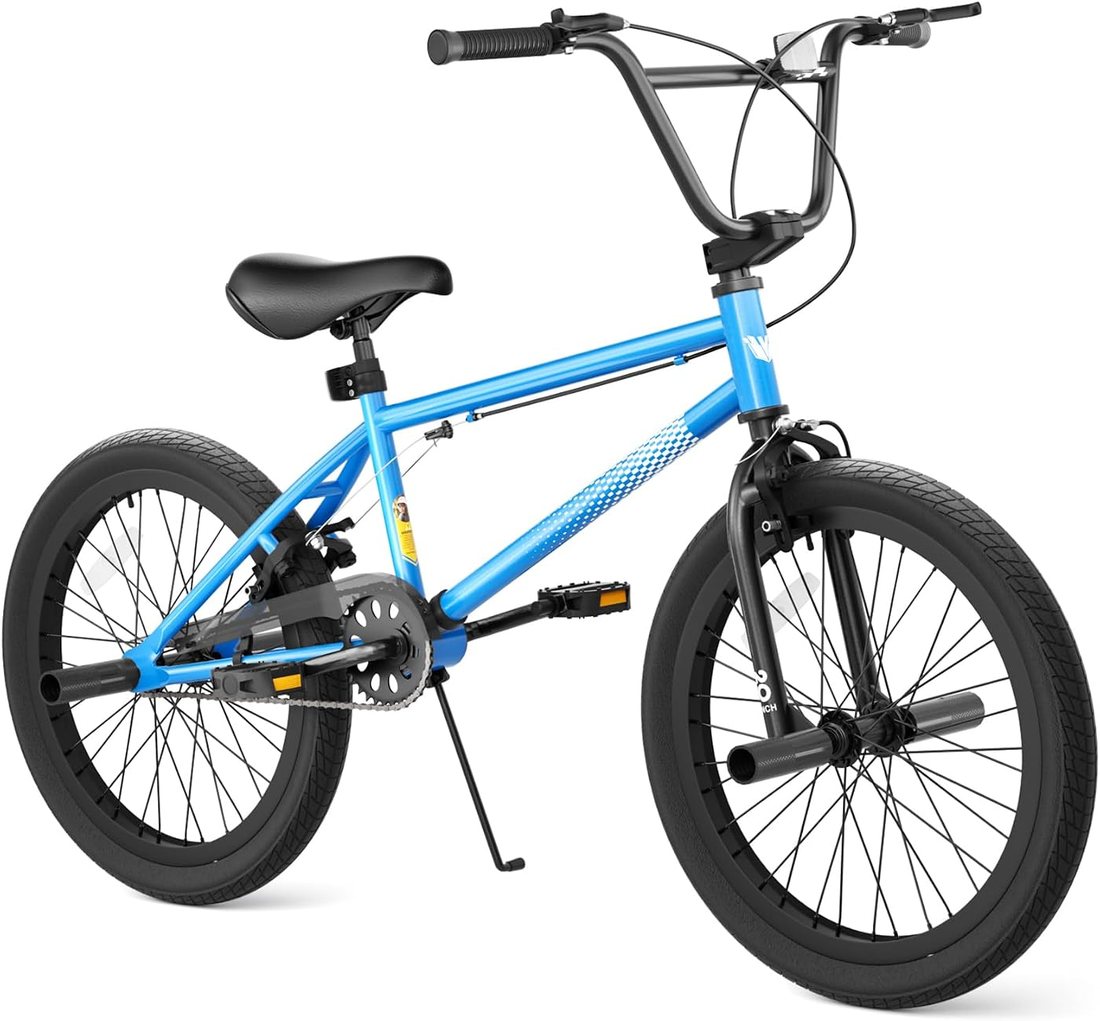
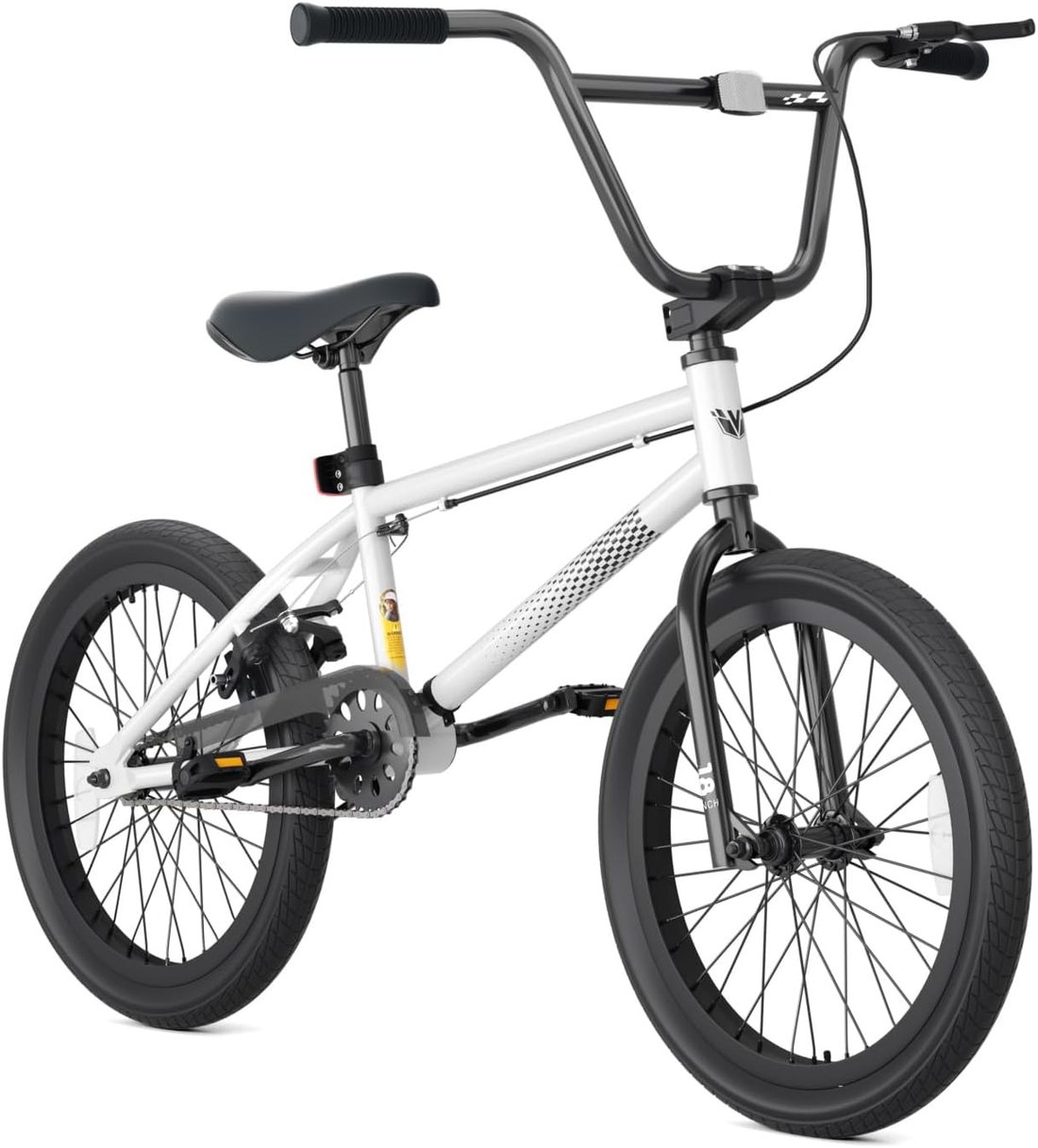
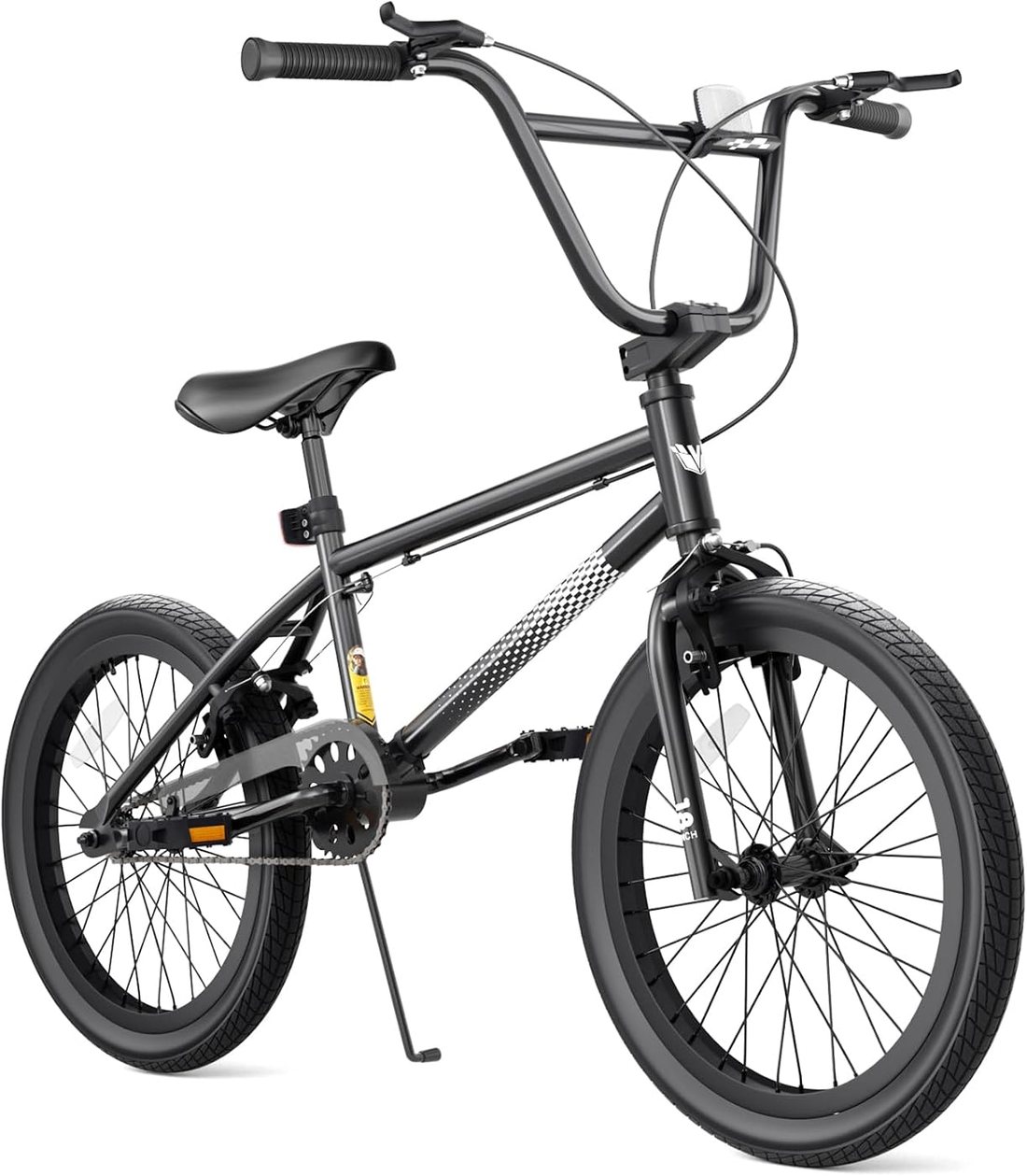
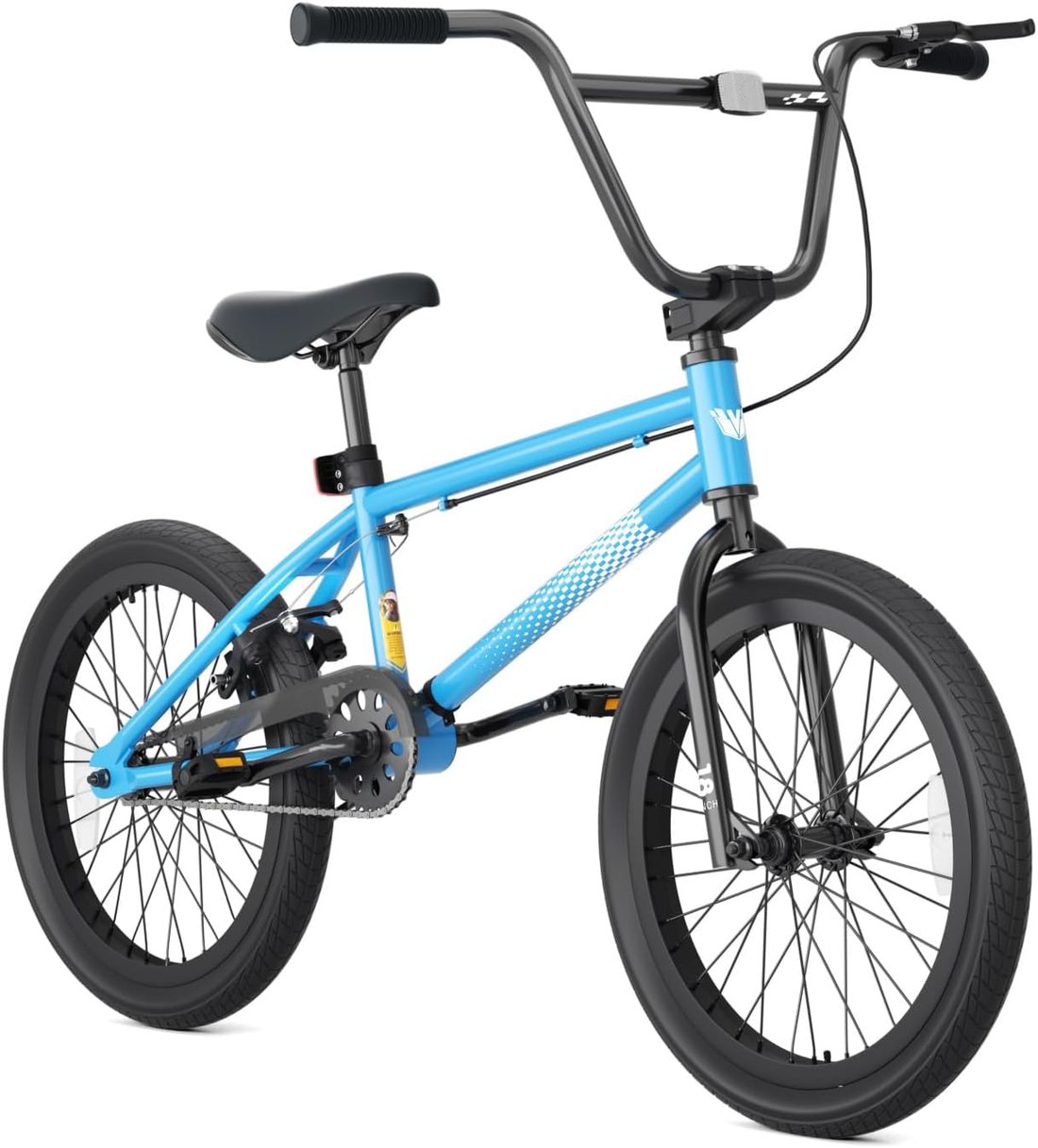
The shelf where a bike stops being a toy. A 20 inch freestyle frame with a rotor, so the bars spin without tangling the cable, and 24 to 26 inch hardtails with a 21 speed drivetrain, front suspension and disc brakes at both ends.
No training wheels and no push handle here, and no soft landing either. These are bicycles for a rider who already knows how to balance a bike and now wants to get somewhere, or to get airborne trying.
Everything on this shelf, with the price it carries today
All 6 on this shelf
Frames, weights and what they are rated for
The mountain frames are aluminum, which is where the weight goes: around thirty pounds for a 26 inch with suspension, against thirty-six for the steel equivalent. Rated to 190 pounds, which takes a fourteen year old and the adult who borrows it. The BMX frames are steel on purpose, because a steel frame survives a bad landing and an aluminum one records it.
Both carry a soft, supportive saddle on a tall post with a quick release, non-slip pedals with pins, and a bar you can rotate without rebuilding the front end. Sturdy is the only word for the BMX dropouts: fourteen millimetre axles, and nothing on them is plastic.
- 20 inch BMX, steel frame, 360 degree rotor
- 24 and 26 inch hardtail, aluminum frame, 21 speeds
- Dual disc brakes on the mountain frames
- Rated to 190 pounds
- Around an hour to build properly
Assembly is a bike shop job, nearly
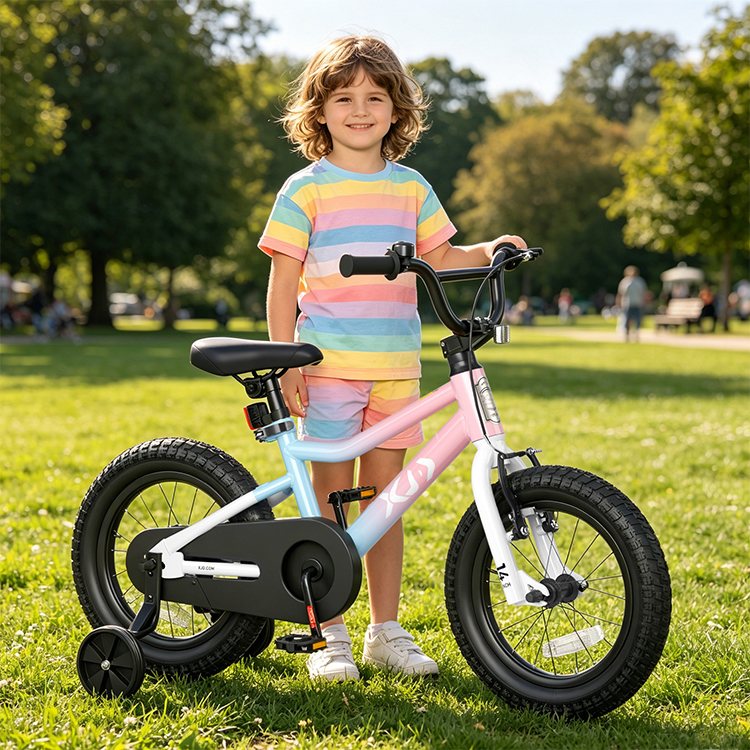
These arrive more complete than the small frames and still need an hour. Front wheel, bars, pedals, saddle, then the brakes checked and the gears indexed. Tools are supplied for the installation, but a torque wrench is a good idea on the stem bolts, and a modular design means the cranks, the bars and the seat post can all be swapped without touching the frame.
We would not hand a 26 inch bike to a child the week it arrives without checking the disc rotors are true and the quick release is closed hard. It takes five minutes and it is the only thing standing between a fast descent and a bad afternoon.
The rest of the driveway
If the rider is still putting a foot down at corners, the shelf before this one is the right one: a kids bike with training wheels, or the balance bike behind that for a toddler. The beach cruiser bikes sit sideways to all of it, built for a flat mile rather than a hill.
A helmet is not optional on this shelf, and a pad set is close behind. Neither is a gift; they are the reason the bike gets used again next weekend.
One pattern, from the XJD balance bike up
There is one pattern underneath all of this. Whether it is a balance bike, a kids helmet or a ride on car, the seat is the same soft, supportive PU seat, the grips are the same non-slip rubber, and the wheels are the quiet kind that stay smooth on a pavement slab rather than drumming. Frames are sturdy in the places a toddler leans and rounded in the places a baby grabs, which is most of what the word safe means at this age.
Assembly follows the same pattern. The modular design arrives half built, the tools come in the carton, and installation takes the fifteen minutes between tea and bath, comfortably within one evening. That matters when it is a gift and the child is watching: the thing feels finished, and no adult would be hunting a spanner while a two year old waits for a ride. Every model here is assembled from the same short list of parts.
On this shelf the frames are the heavy end of the line, built for a child who already rides and now wants to land off a kerb.
- One PU seat shape across the bikes, so a hand-me-down feels familiar under a younger child
- Non-slip grips and rounded bolt heads on every frame on this shelf
- Tools in the carton; installation inside fifteen minutes on a kitchen floor
- Published weights, so you know what a toddler can pick up and right again alone
- Colours and sizes listed as separate rows, because that is how they go out of stock