 driveway years
Chalk notes
Sizing a kids bike, and the year they outgrow it
Every bike here is sold by wheel size and fitted by leg length, and the two agree less often than you would hope. Here is the measurement that matters and what to do with it.
One measurement, taken at the kitchen table
Stand the child against a wall with their shoes on and their heels together. Put a book between their legs, pull it up firmly, and mark the top of it. Measure from the floor to the mark. That is the inseam, and it is the only number you need.
Now look at the model page for the saddle range. The minimum saddle height should be at or just below the inseam. If it is two inches above, the bike is too big today, whatever the age on the box says.
Keep the number written down. You will use it again in eighteen months, and a child's inseam grows roughly two inches a year through this stretch.
What wheel size actually means
Wheel size is shorthand for frame size, and manufacturers do not agree on the shorthand. As a rough guide across our own bicycles: a 12 inch wheel suits 14 to 17 inches of inseam, a 14 inch suits 16 to 20, a 16 inch 18 to 22, a 20 inch 22 to 25, and a 24 inch frame starts at 24.
A balance bike runs lower than a pedal bike at the same wheel size, because there is no bottom bracket and no chain in the way. That is why a 12 inch balance bike fits a two year old and a 12 inch pedal bike does not.
Children in the middle of two sizes should take the smaller one if they are starting out and the larger one if they are confident riders already. Nobody learns anything on a bike they cannot put a foot down on.
Setting the adjustable seat
For a first balance bike, set the seat so both feet are flat with a slight bend in the knee. For a rider who already coasts, raise it an inch so the toes reach and the stride lengthens. For a pedal bike, flat feet for the first fortnight, then up until the leg is nearly straight at the bottom of the stroke.
The post on our frames moves on one bolt and has a minimum insertion mark stamped on it. Do not go past the mark, however tempting. A seat that moves four inches gives you two summers from one bike, and that is the single best value feature on any kids bike.
Raise the bars too, if the bike lets you. A child who has grown two inches and is still reaching down to the grips will lean further forward than they should.
- Inseam, not age, decides the frame
- Minimum saddle height at or below the inseam
- Half a size ahead is fine, a whole size is not
- Keep the measurement written down
- Check the rider weight rating on the model page
The three signs it is done
Knees hitting the bars on a balance bike. A saddle already at its stop with the child still crouched. Both feet flat on the ground with the legs straight, which means they are carrying the bike rather than riding it.
Any one of those and it is time to move on. On a pedal bike there is a fourth: the child can no longer get the ball of the foot onto the pedal at the top of the stroke without rocking their hip.
What usually goes first is interest, not fit. A bike that is a size too small gets left against the wall, and the child will not tell you why.
Buying ahead without buying wrong
Half a size ahead is sensible. A whole size ahead is a bike in the shed for a year and a child who has learned nothing in the meantime. If you want to stretch the money, buy the frame that fits now and has the most seat travel, not the frame that fits next spring.
Models with four wheel sizes under one listing are the exception worth knowing about: the 12, 14, 16 and 20 inch versions of the same kids bike are priced separately, so you can move up within the same bike rather than starting again.
A list of what carries over between sizes: the helmet, if it still fits the head; the pads; the bell; nothing else. Handlebar grips and seats are frame-specific.
Weight, materials and how long it has to last
A bike that weighs more than a third of the rider is hard work. Our balance bikes weigh six to nine pounds, the 12 inch pedal bike eighteen, the 24 inch aluminum mountain bike about thirty. The aluminum frames are the durable, light answer at the big end; steel is the durable, cheap answer at the small end.
If the bike has to pass down to a second child, steel is the one that survives the garage. Powder coat chips, the chip rusts, the rust stays cosmetic for years. Aluminum does not rust and does not forgive a hard impact either.
Either way, check the weight rating. Ours run from 110 pounds on the small frames to 190 on the 26 inch, and the rating is for the rider, not the rider plus the adult giving them a push.
Age charts, and why we print them anyway
Every page here carries an age range because people search for one, and every page also carries the saddle height, because that is what we would use. Treat the age as the first filter and the inseam as the decision.
The gap between the two is widest at both ends. A tall two year old and a small four year old often ride the same 12 inch frame, and a nine year old can be on a 16 inch or a 24 inch depending on nothing but legs.
Children grow in steps rather than smoothly, and the step usually lands in the spring. If you are buying in February, measure in February and expect the seat to go up in May.
What we would check when the fit starts to go
When the fit starts to go, the questions change. This is what we would look at, in the order the answers actually arrive.
- Look at the tyre, not the brand. Foam wheels never puncture and need no pump; air tyres roll better on gravel and give a softer ride on a rough pavement.
- Consider where the transition goes next. A child starting at two will want a pedal bike at four, so look at how the two bicycles compare before you buy the first one.
- Check that the seat post can be dropped to the floor and still clamp. That is what lets you customize fit for a short-legged toddler without extras from a bike shop.
- Ask what the brakes are for. On a balance bike a hand brake is a bonus a three year old may ignore; on a pedal bike it is the safety item that matters most.
- Keep a list of what came in the box. Riders grow out of bikes faster than parents expect, and making the handover easy a year from now starts with the allen key that came taped to the frame.
- Teach in one place. A flat driveway with a slight fall at the far end does more for balance in an hour than a week of instruction, because gravity is the better guide.
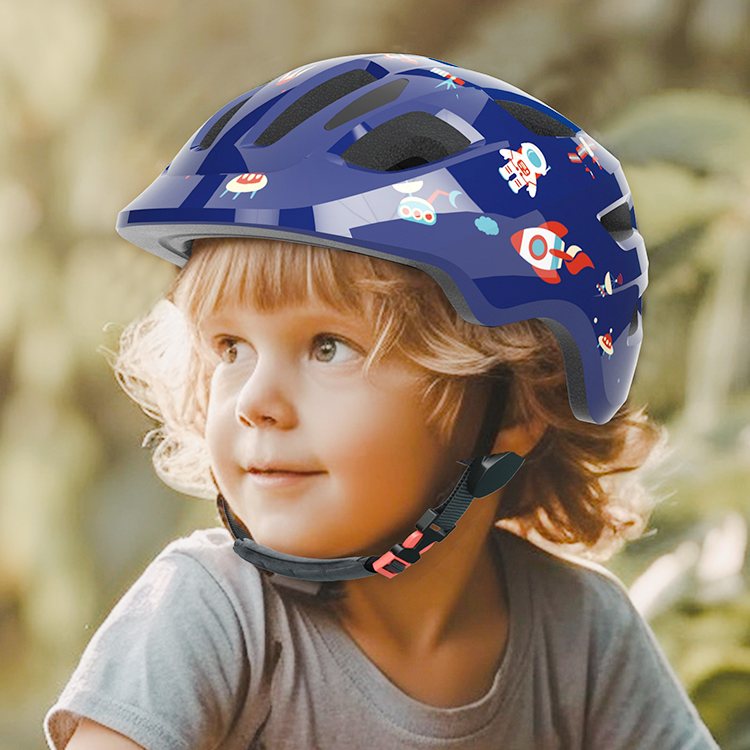
- Make the helmet part of the ritual from the first push, not from the first fall. It is easier to manage a habit than to argue with a five year old about one.
- Watch the feet. When a child stops putting them down on the move and starts holding them up, the center of balance has arrived and pedals will be easy.
- Count the hours, not the days. Most children we hear from enjoy a balance bike in short bursts, and the learning happens across twenty of those rather than one long afternoon.
- Ask whether you want training wheels at all. Experts and parents disagree loudly, and both are right for different children; what training wheels teach is steering, not balance.
- Compare the support under the saddle. A soft seat feels kind in a shop and sticky in July; a firmer one is more helpful on a long ride.
- Buy the size they are, not the size they will be. A bike bought a year early sits in a garage and makes the child feel worse about riding, not better.
- Measure the inseam before you look at any age label: the adjustable seat range on the page is the number that decides whether a kids balance bike fits this month or next summer.
- Weigh it, or read the published weight. A toddler balance bike that a child cannot right alone teaches them to wait for an adult, which is the opposite of the point.
- Decide early whether you want aluminum or steel. Aluminum frames are lighter to carry upstairs; steel ones are typically cheaper and more durable under a sibling or two.
Do that much and the handover is boring, which is what you want. The bike goes down a sibling or out of the garage, and the next one fits on day one.
Asked after this one
What age does a child typically move to a pedal bike?
Between three and a half and five, for a child who has had a balance bike. Closer to five or six for a child starting on training wheels. The signal is coasting with both feet up, not a birthday.
Is it better to buy a bigger bike so it lasts?
No. Buy the frame that fits now with the most seat travel. A bike a child cannot put a foot down on does not get ridden, and a year of not riding costs more than a frame does.
How do I measure inseam without a tape measure?
Use a book and a doorframe. Mark the top of the book on the frame with a pencil, then measure the mark against anything with known length, including the bike itself once it arrives.
What this note points at
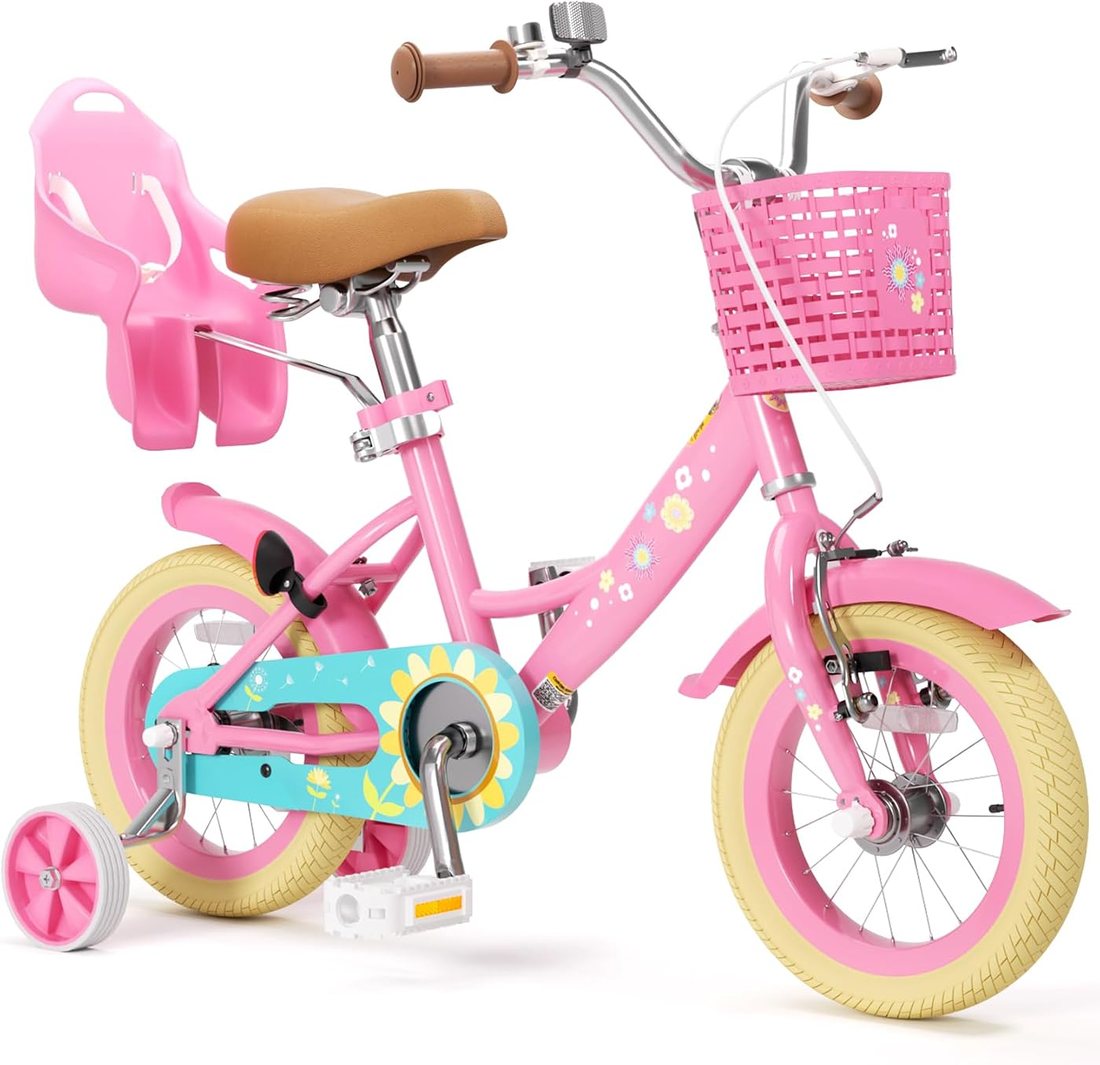
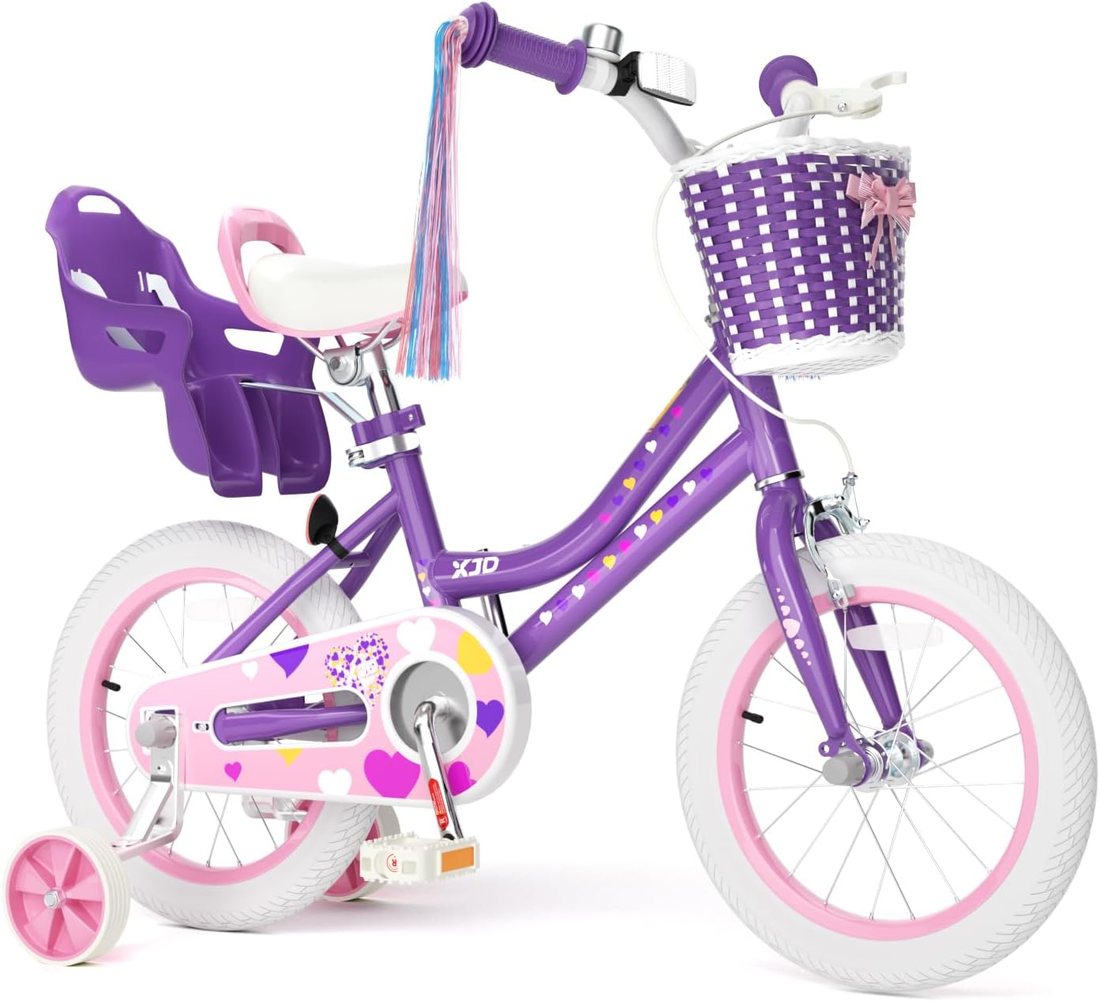
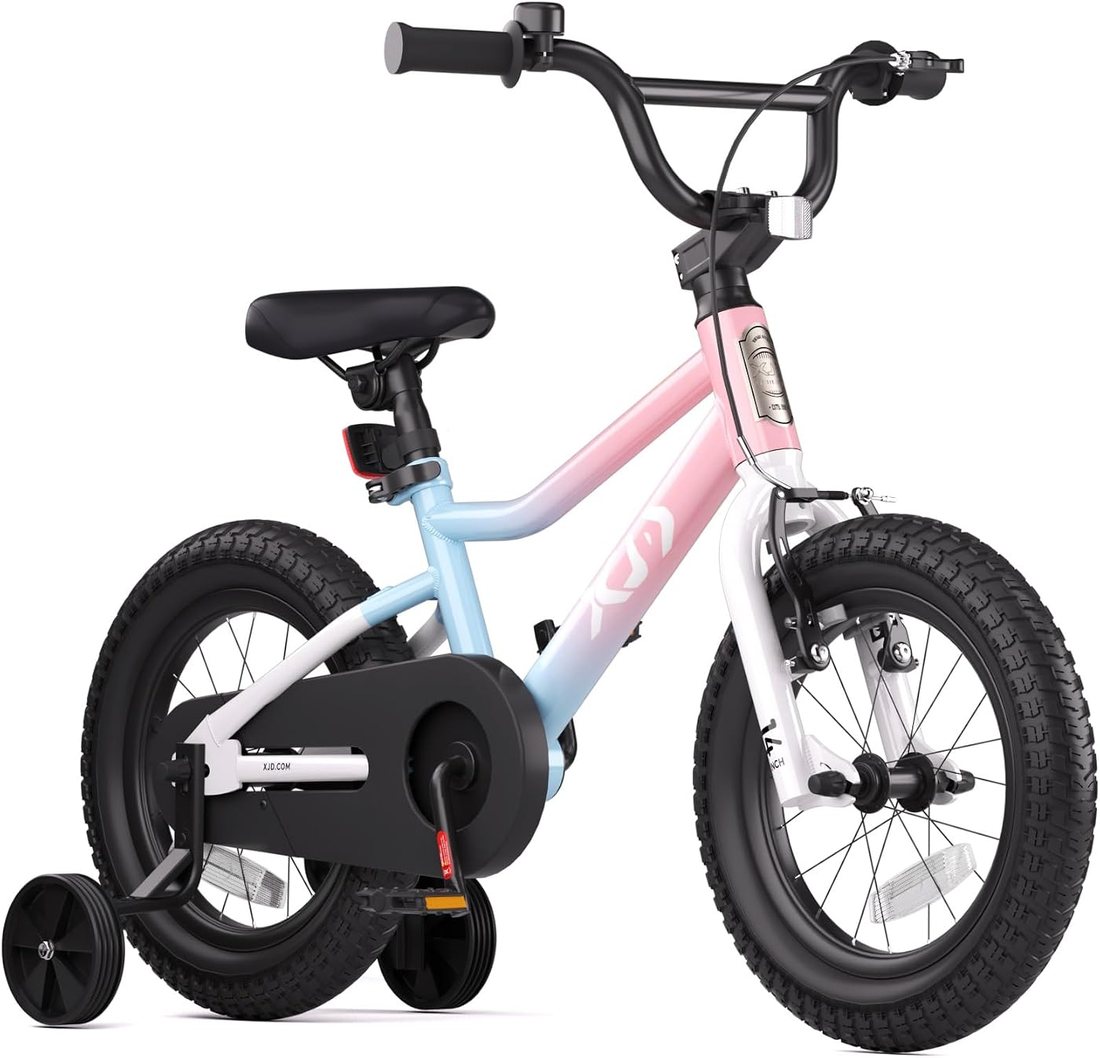
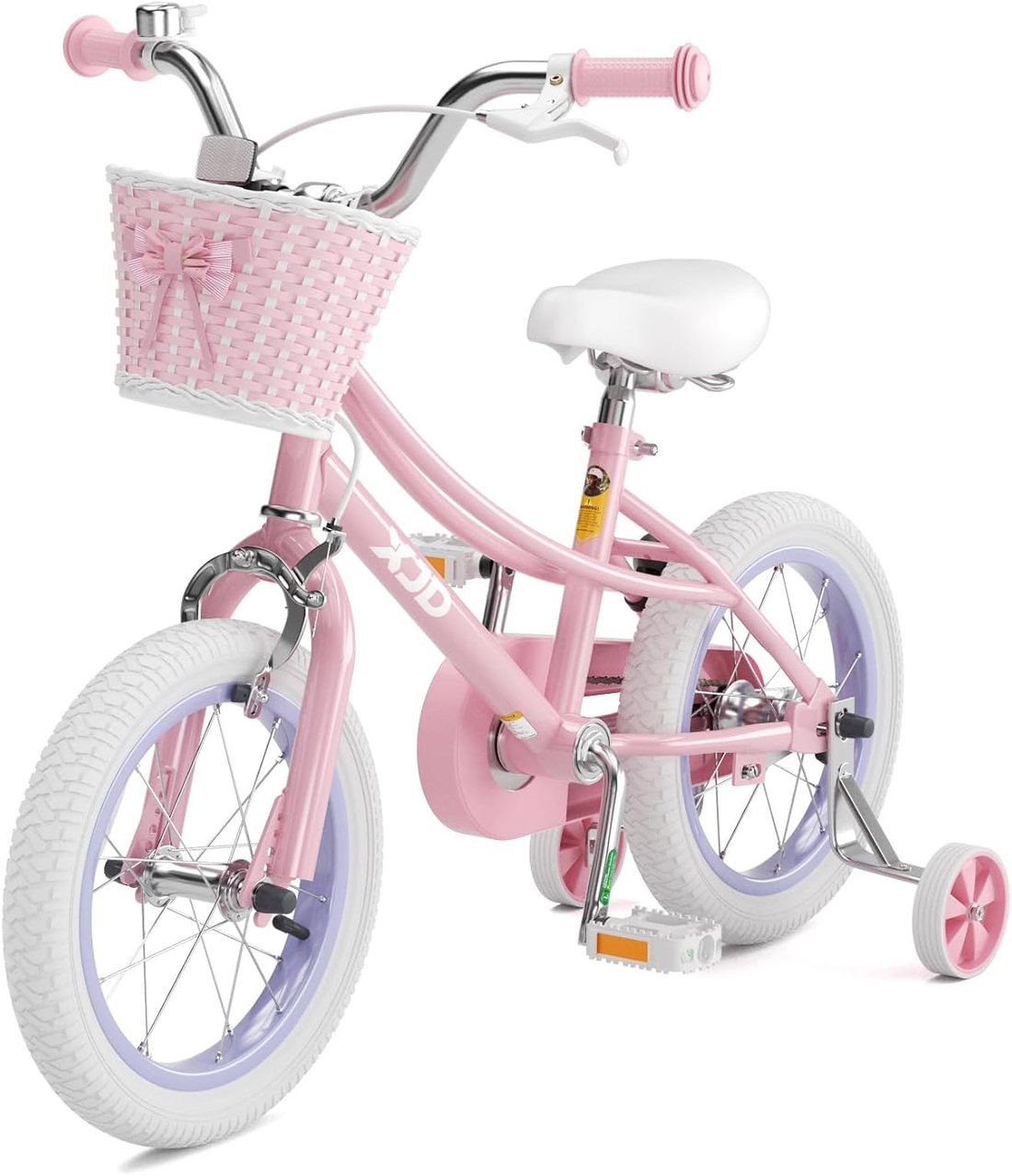
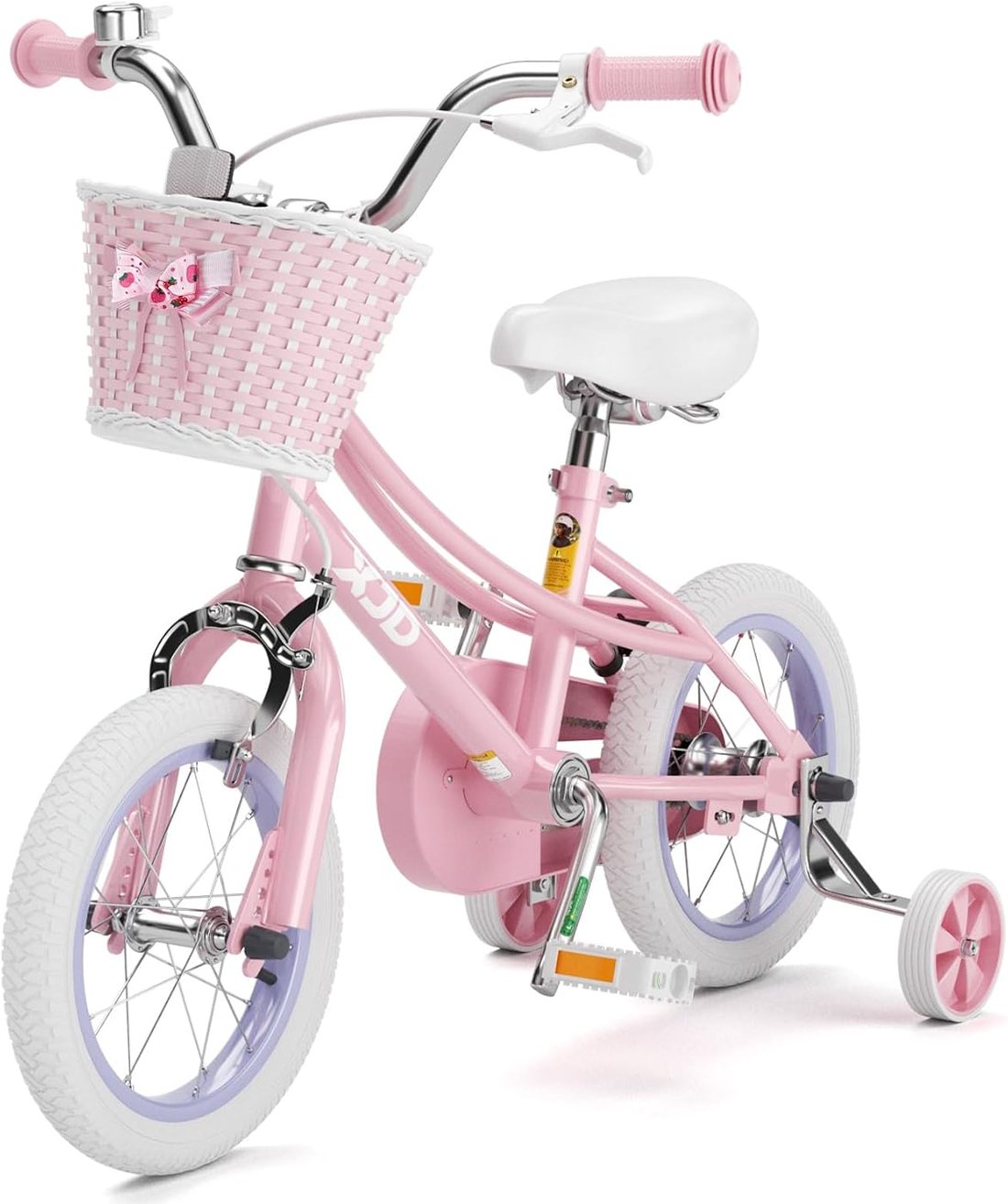
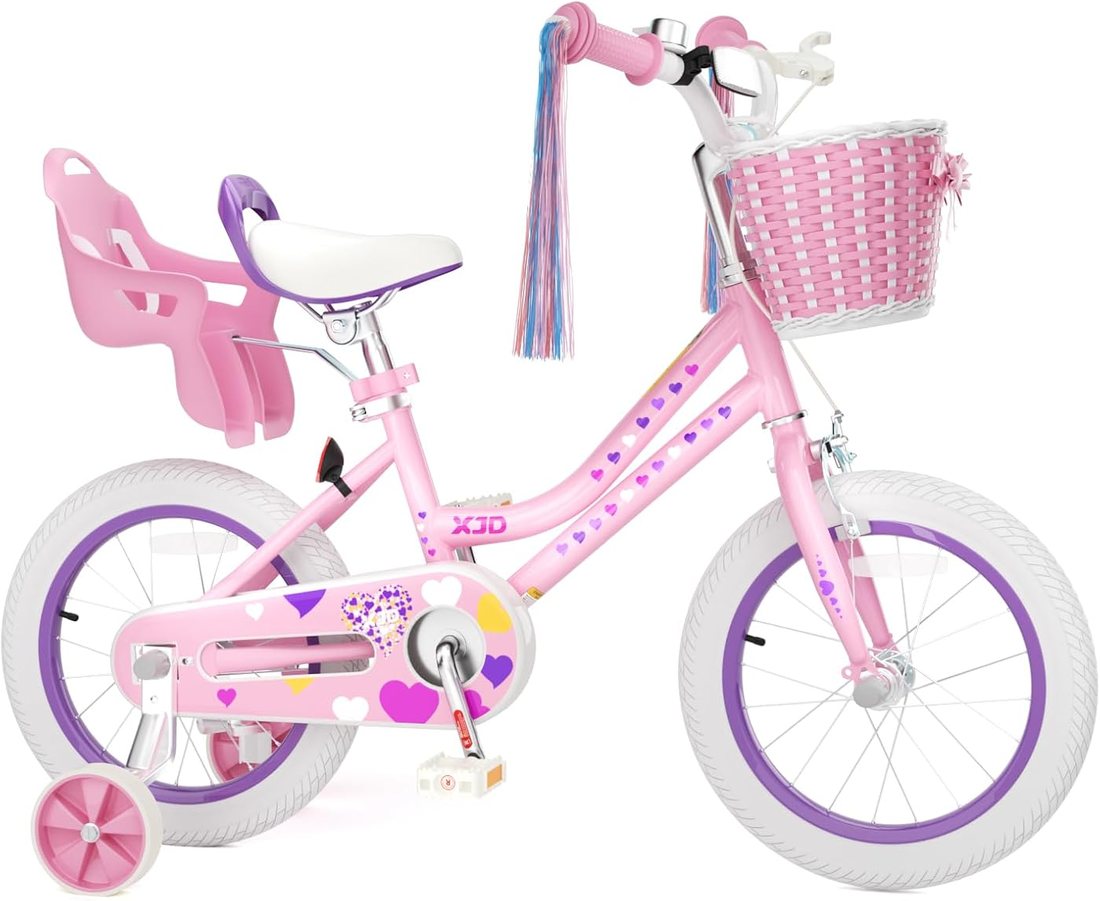
Girls Bike, 12/14/16/20 Inch Bicycle for 3-12 Years Old — Pink
$69.99 Only a few left
4.7 ★ 58 ratings