 driveway years
Chalk notes
Training wheels, or not
We fit training wheels to every kids bike we make and we expect most of them to come off inside a season. Both of those statements are deliberate.
What training wheels actually do
They stop a bicycle leaning. That is all, and it is both the help and the harm. A bike that cannot lean cannot fall over, so a child can concentrate on the pedals, steer with the bars and get a feel for a chain.
The cost is that leaning is the skill. Steering a bike at speed is done by leaning, not by turning the bars, and a child on training wheels never learns it. When the wheels come off, that lesson starts from the beginning.
So the honest answer is that training wheels teach pedalling and delay balance. Whether that is a good trade depends entirely on which of the two the child is missing.
When we would leave them on
A child who has never ridden anything, is five or six already, and wants to keep up with a sibling this weekend. Training wheels get them moving on day one, and momentum matters more than method at that point.
A child who is nervous. Confidence on two wheels is hard to recover once it has been lost, and a fortnight of riding around with support is cheap.
A long or steep drive, or any approach where a wobble ends somewhere expensive. Set the wheels a few millimetres clear of the ground rather than hard down, so the bike still leans a little.
When we would not bother
Any child coming off a balance bike. They already have the balance; adding training wheels takes it away and makes the bike feel strange. Put the seat low, let them scoot it a few times to feel the weight, then let them pedal.
Any child under four on a 12 inch frame, who would be better served by another summer on a toddler balance bike than by pedals at all.
Children who have been on a three-wheel scooter for a year are a halfway case: they have the leaning and not the pedalling, so they usually need a week, not a season.
- Two or three millimetres of clearance, not hard down
- Lower a notch a week as confidence grows
- Take the pedals off for an afternoon instead
- Keep the mounting bolts
- Flat shoes, fitted helmet, flat ground
Taking them off
Two bolts per side on our frames, one spanner, five minutes, and the spanner is in the carton. Keep the bolts, because the stay brackets are sized to them and the hardware shop will not have the right thread.
Drop the saddle an inch first, so both feet reach the ground flat. Then find a gentle, grassy slope, take the pedals off with a 15 millimetre spanner, and let them scoot down it half a dozen times. Pedals back on, and they will ride.
That pedals-off trick turns any kids bike into a balance bike for an afternoon. It is the fastest way to teach a child who has already been riding with support, and nobody has to run alongside holding a saddle.
Setting the height while they are on
Level ground, bike upright, both training wheels should just clear the surface by two or three millimetres. Lift the bike by the saddle and there should be a visible gap.
Wheels screwed hard down feel reassuring and teach nothing, because the bike behaves like a trike. Wheels set high let it lean a few degrees, which is where the learning happens.
As the child gets steadier, lower the brackets a notch a week. By the time the gap is half an inch they will not notice when you take them off entirely.
The kit, and what else helps
A helmet, fitted. Gloves, if the drive is concrete. Flat shoes rather than wellingtons, which slip on a pedal and have no feel. Nothing else.
The extras we see families buy and not use: stabiliser-mounted push bars, which save your back and teach the child to be steered; and bike-mounted parent handles, which do the same. A hand on the child's shoulder is better than either.
Check the coaster brake works before you start. A child who has learned to stop by putting their feet down will not use a brake they have never found.
One honest caveat
There is no single right path, and the experts disagree with each other as much as parents do. We see children learn in every order, including straight to pedals at four with no balance bike and no training wheels at all, on a flat lawn, in an afternoon.
What does not vary is this: the bike should fit, the ground should be flat, the helmet should be on, and the adult should be bored rather than anxious. Children read anxiety off you faster than they read the ground.
And whichever way it goes, the first proper ride is a specific afternoon that everybody in the house remembers. Enjoy it rather than filming it.
What we would check before taking a side
Before you take a side in this argument, go down the list. Most of the heat in it comes from people comparing a four year old with a six year old.
- Make the helmet part of the ritual from the first push, not from the first fall. It is easier to manage a habit than to argue with a five year old about one.
- Watch the feet. When a child stops putting them down on the move and starts holding them up, the center of balance has arrived and pedals will be easy.
- Count the hours, not the days. Most children we hear from enjoy a balance bike in short bursts, and the learning happens across twenty of those rather than one long afternoon.
- Ask whether you want training wheels at all. Experts and parents disagree loudly, and both are right for different children; what training wheels teach is steering, not balance.
- Compare the support under the saddle. A soft seat feels kind in a shop and sticky in July; a firmer one is more helpful on a long ride.
- Buy the size they are, not the size they will be. A bike bought a year early sits in a garage and makes the child feel worse about riding, not better.
- Measure the inseam before you look at any age label: the adjustable seat range on the page is the number that decides whether a kids balance bike fits this month or next summer.
- Weigh it, or read the published weight. A toddler balance bike that a child cannot right alone teaches them to wait for an adult, which is the opposite of the point.
- Decide early whether you want aluminum or steel. Aluminum frames are lighter to carry upstairs; steel ones are typically cheaper and more durable under a sibling or two.
- Look at the tyre, not the brand. Foam wheels never puncture and need no pump; air tyres roll better on gravel and give a softer ride on a rough pavement.
- Consider where the transition goes next. A child starting at two will want a pedal bike at four, so look at how the two bicycles compare before you buy the first one.
- Check that the seat post can be dropped to the floor and still clamp. That is what lets you customize fit for a short-legged toddler without extras from a bike shop.
- Ask what the brakes are for. On a balance bike a hand brake is a bonus a three year old may ignore; on a pedal bike it is the safety item that matters most.
- Keep a list of what came in the box. Riders grow out of bikes faster than parents expect, and making the handover easy a year from now starts with the allen key that came taped to the frame.
- Teach in one place. A flat driveway with a slight fall at the far end does more for balance in an hour than a week of instruction, because gravity is the better guide.
Whichever way you go, the child learns. One route puts the balance first and the pedals second; the other does it the other way round and takes a little longer.
Asked after this one
Can you teach a child to ride without training wheels?
Yes, and it is usually faster. Take the pedals off a correctly sized bike, drop the saddle so both feet are flat, and let them scoot down a gentle grassy slope until they coast. Then refit the pedals.
What is the best way to teach my child to ride a bike?
Flat ground, a bike that fits, pedals off for the first session, and no hand on the saddle. Let them find the balance point themselves; it takes most children one afternoon and no instruction.
How long do children usually need training wheels?
Two weeks to a season. A child coming off a balance bike often never fits them; a child starting straight on pedals at five typically uses them for a month or two.
What this note points at
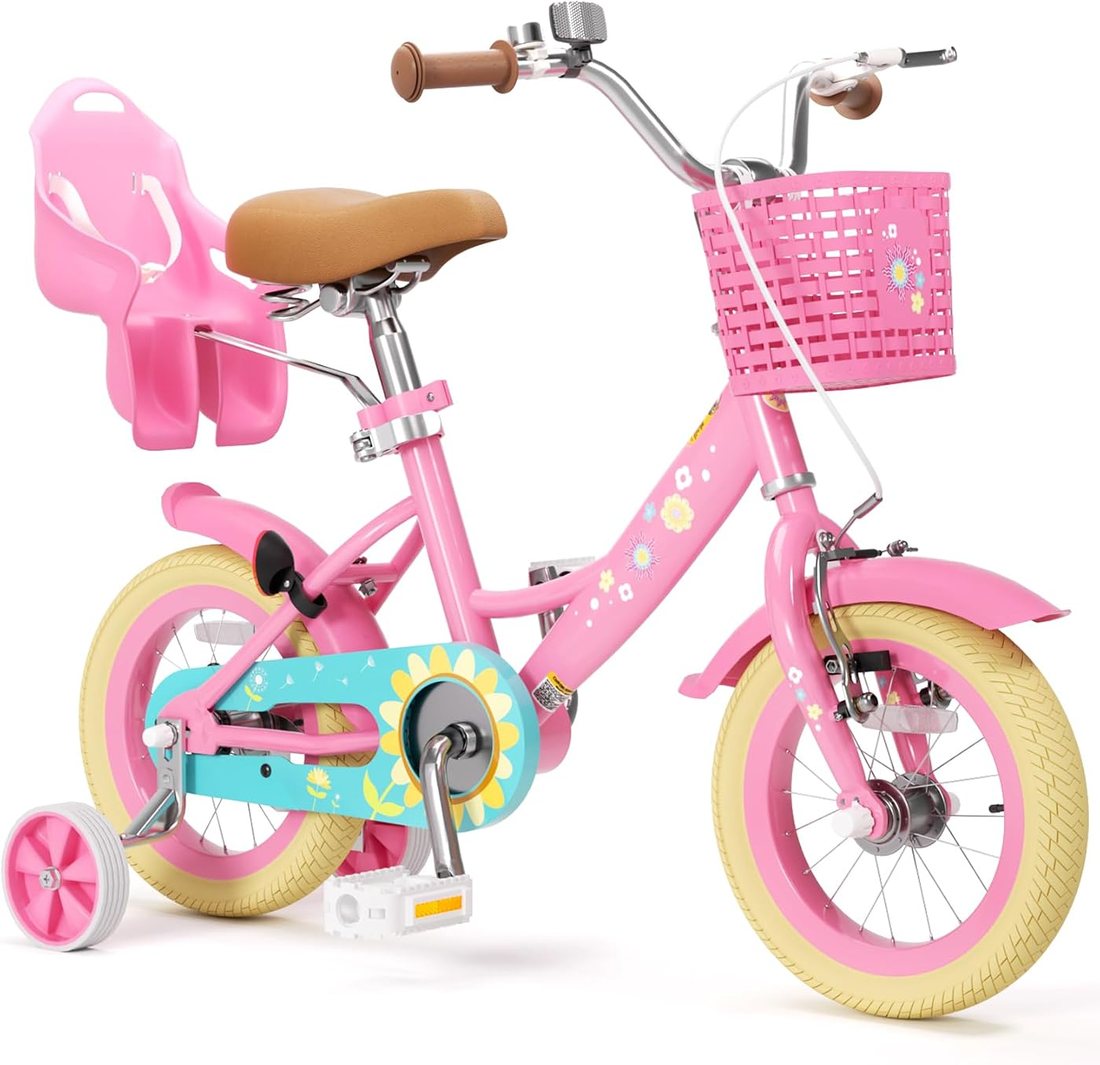
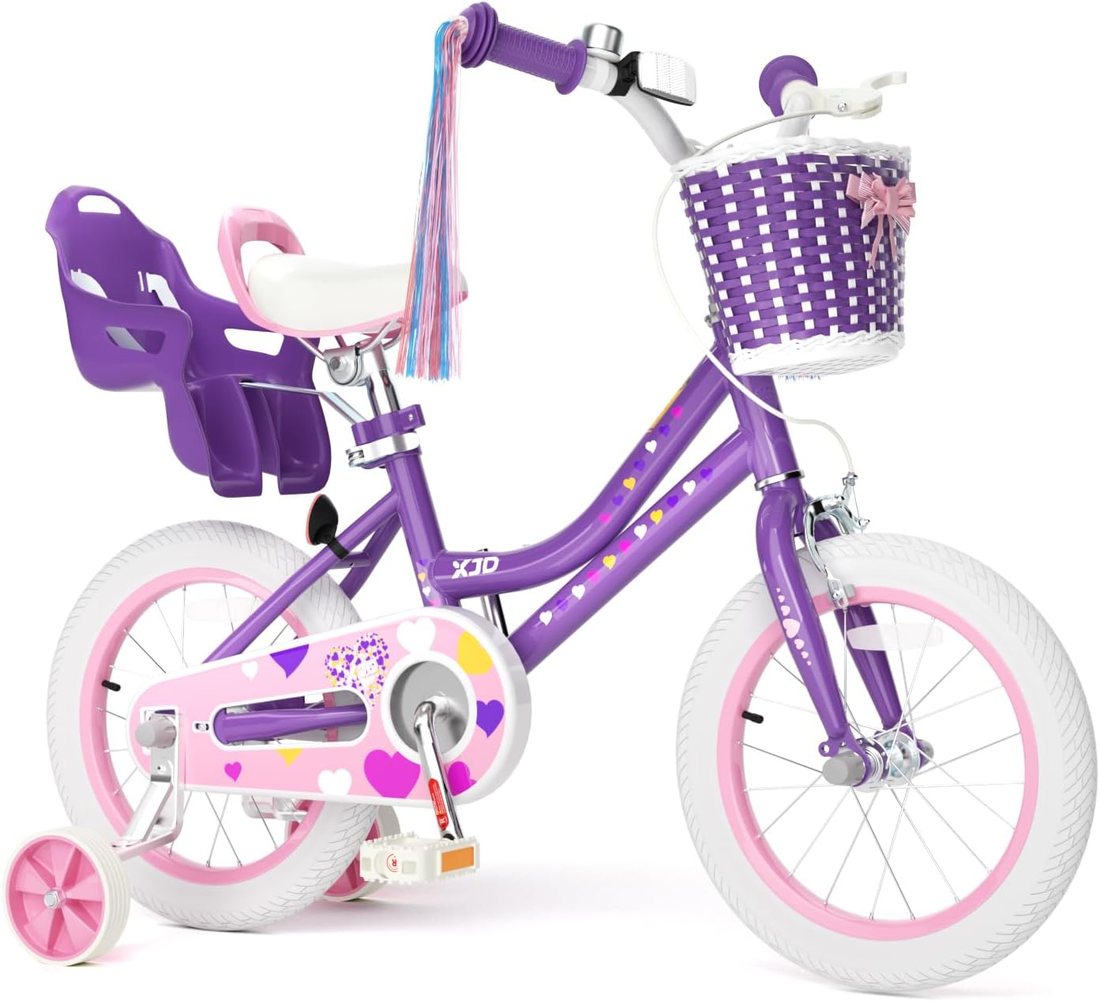
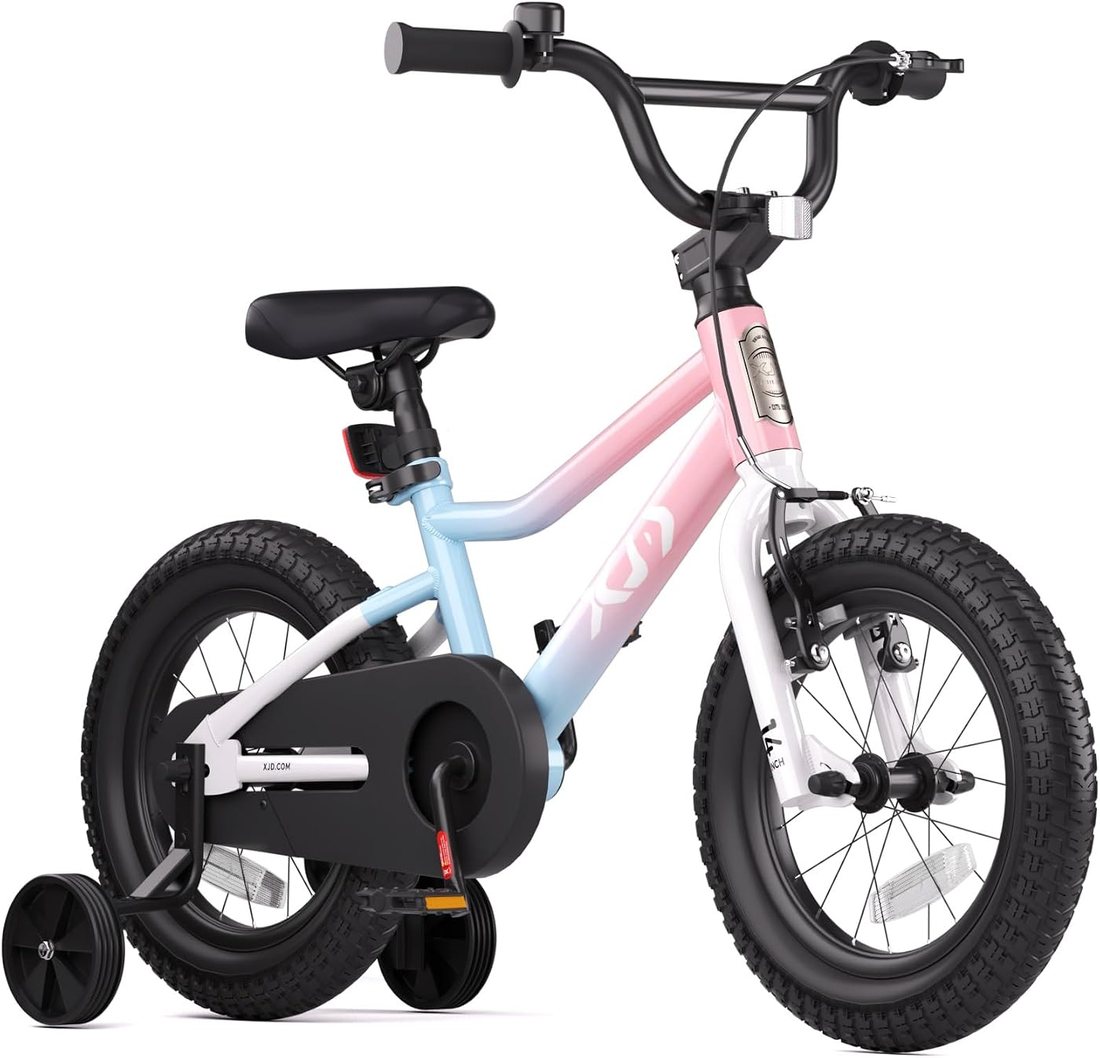
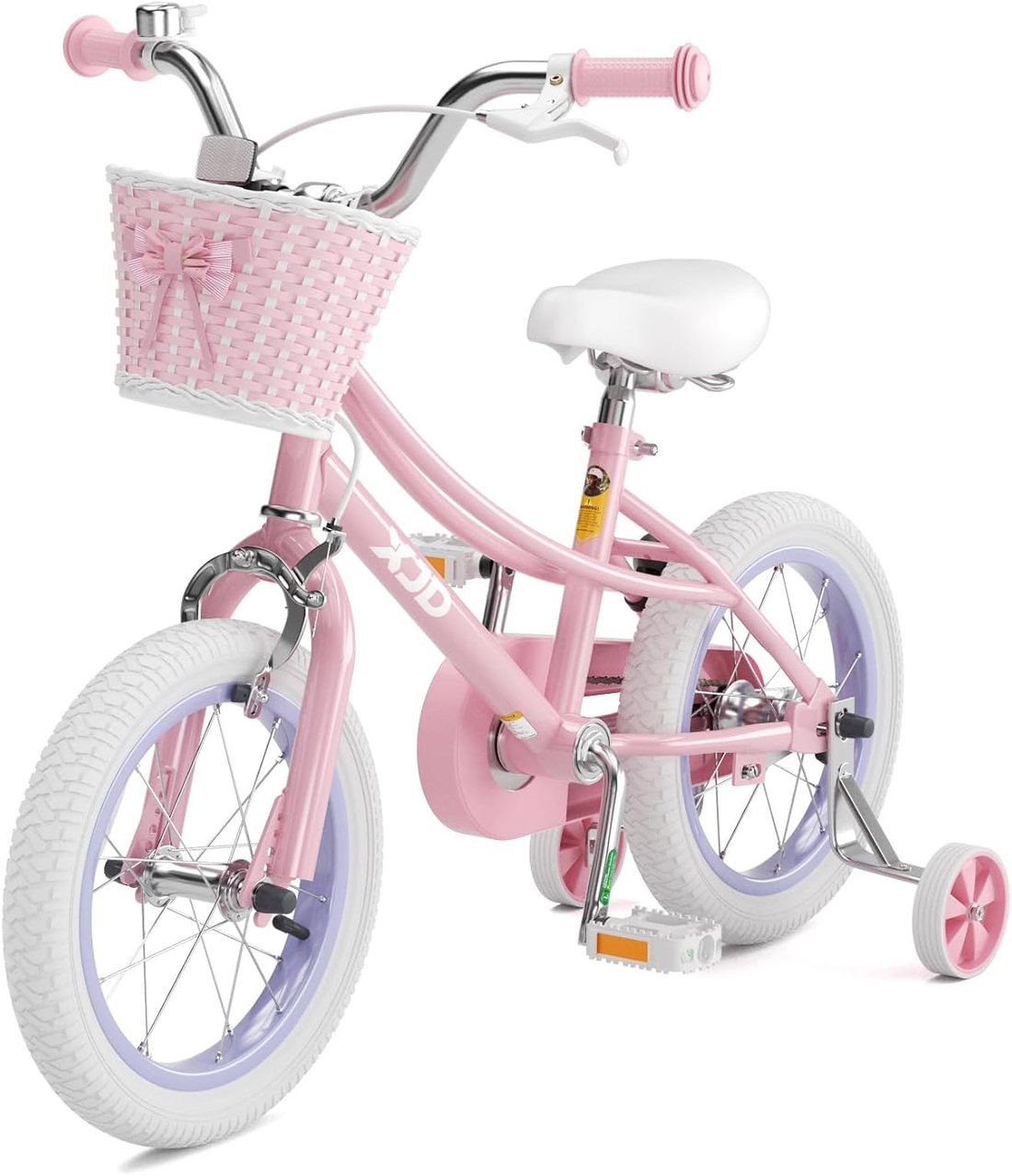
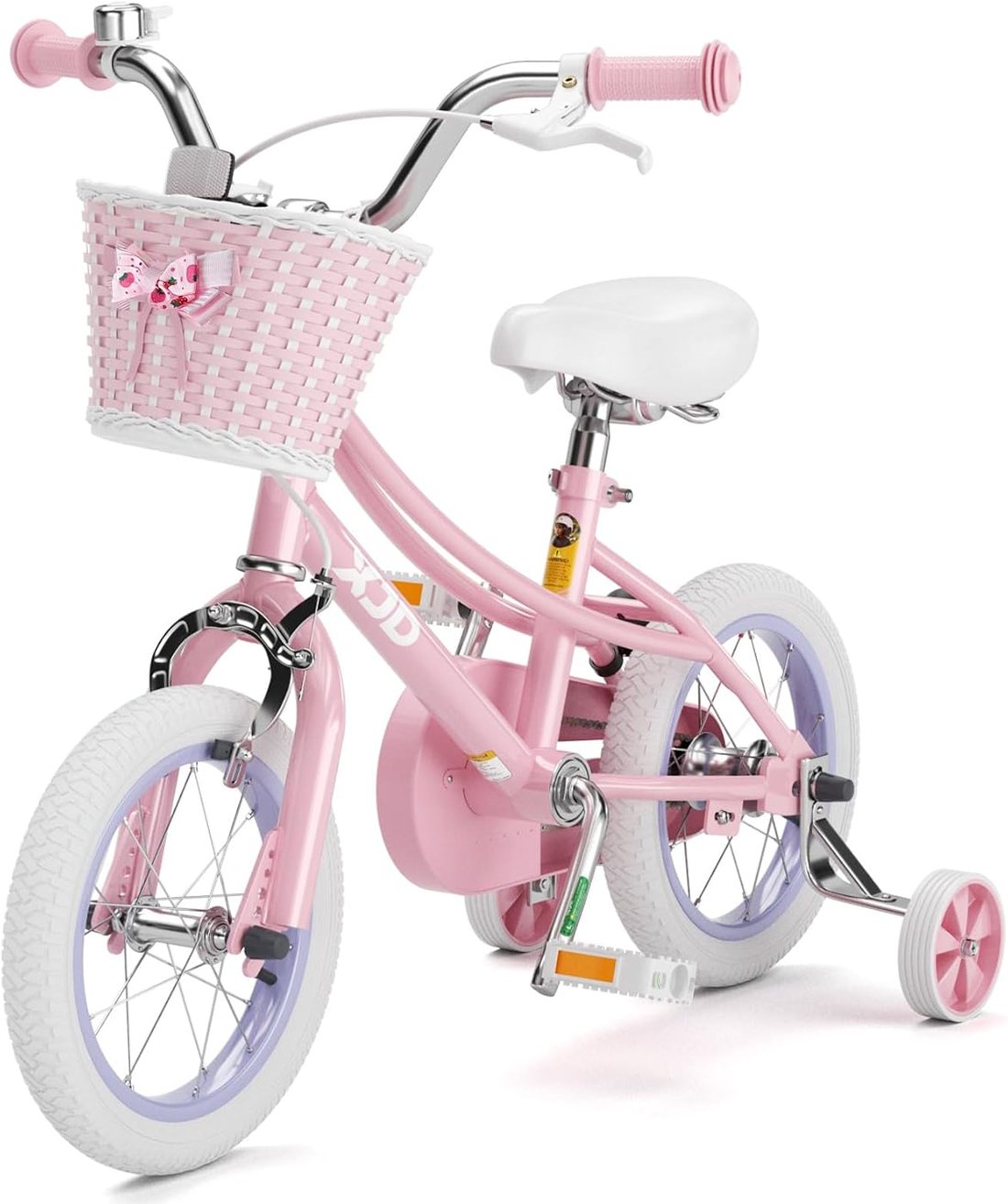
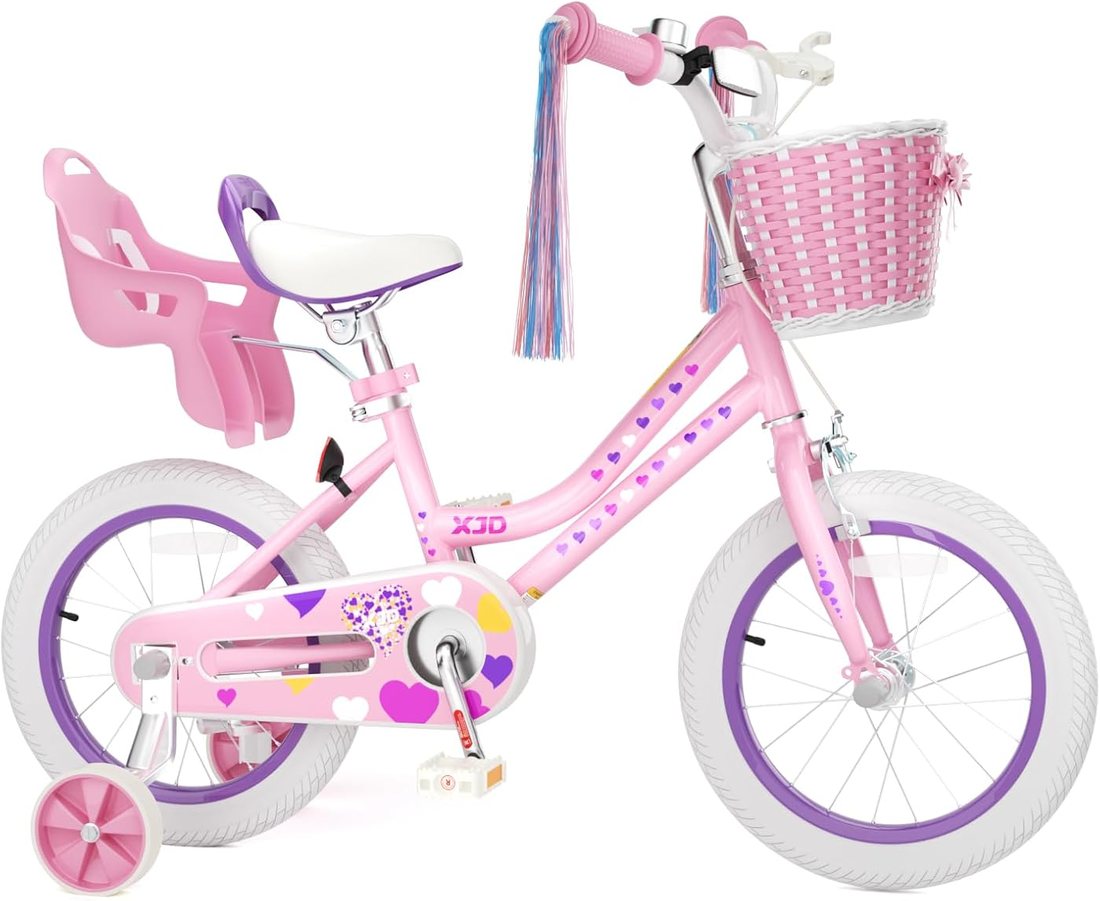
Girls Bike, 12/14/16/20 Inch Bicycle for 3-12 Years Old — Pink
$69.99 Only a few left
4.7 ★ 58 ratings